
CULTURE WAR Why has Divine Playhouse become Sydney’s latest culture war?

BY: Kartya Vucetic
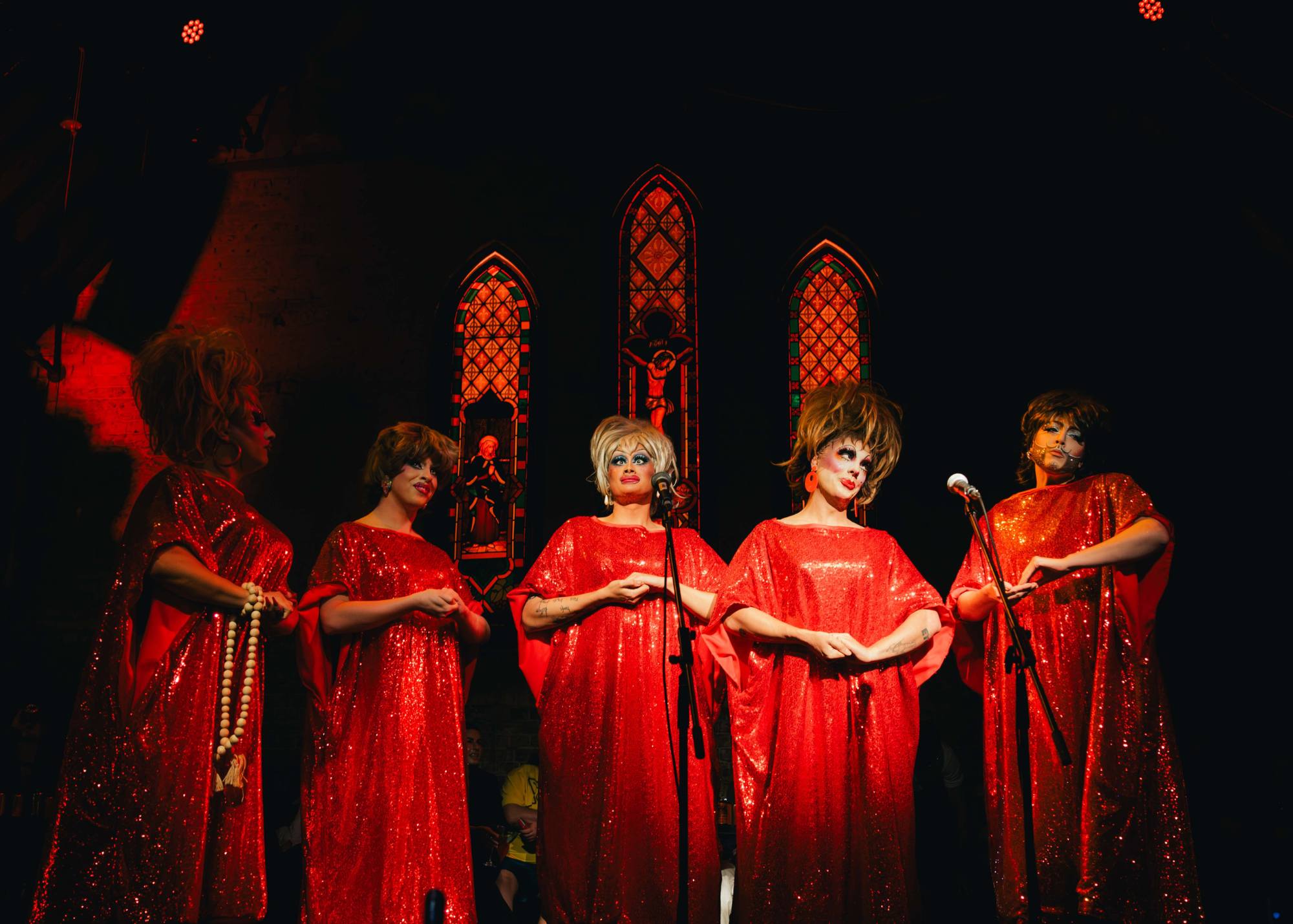
Sydney has spent years asking where all the nightlife went. Now, a new queer-friendly arts venue has opened inside a long-deconsecrated former church, and people have immediately found something to fight about.
That venue is Divine Playhouse. Previously named Unholy Playhouse, it’s a new arts, nightlife and performance space from the team behind Heaps Gay and Pleasures Playhouse. Having opened just last week inside the former St John the Evangelist Church on Kent Street, the heritage-listed building hasn’t operated as a church since the 1930s. Since then, it’s been mostly used as a theatre and community space.
The pitch was simple enough: give Sydney artists, performers, musicians and queer nightlife a new home in the CBD. The reaction has been less simple.
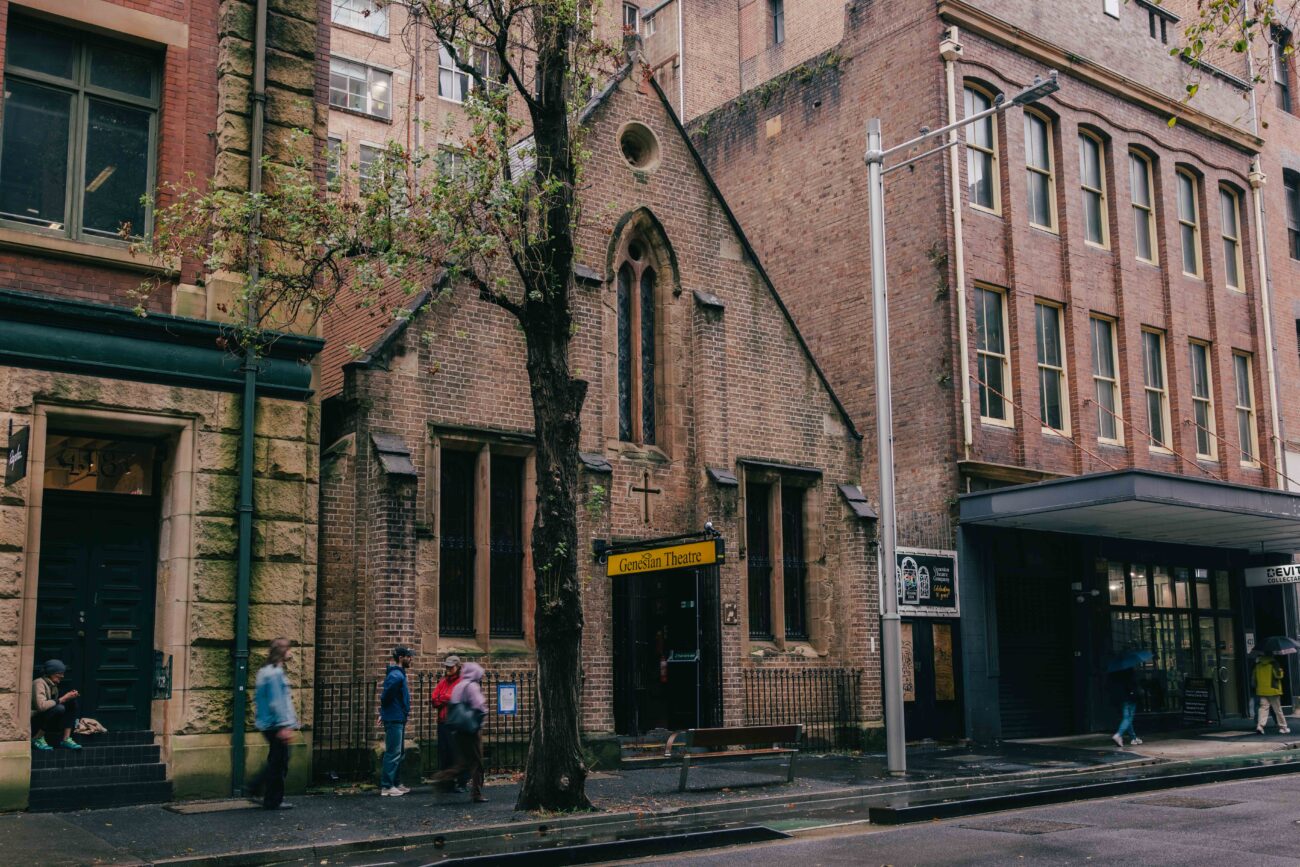
Outside Divine Playhouse | Image: Supplied, Anna Ha
What’s happened since last week?
On opening night, Christian protesters gathered outside the venue, objecting to both the use of the former church and the religious imagery used in the venue’s branding and programming. Critics have pointed to the original ‘Unholy’ name, religiously irreverent event titles such as ‘Sunday Mess’, and promotional material they say crosses the line from nightlife into mockery.
The issue has also since moved well beyond just the choice of venue. Divine Playhouse reportedly received a $100,000 Create NSW grant to support a four-month creative revival and multidisciplinary arts festival. It’s prompted questions about whether public money should support programming that some religious groups say ridicules their faith. Now, the NSW Government is looking into whether the programming aligns with what was outlined in the grant application.
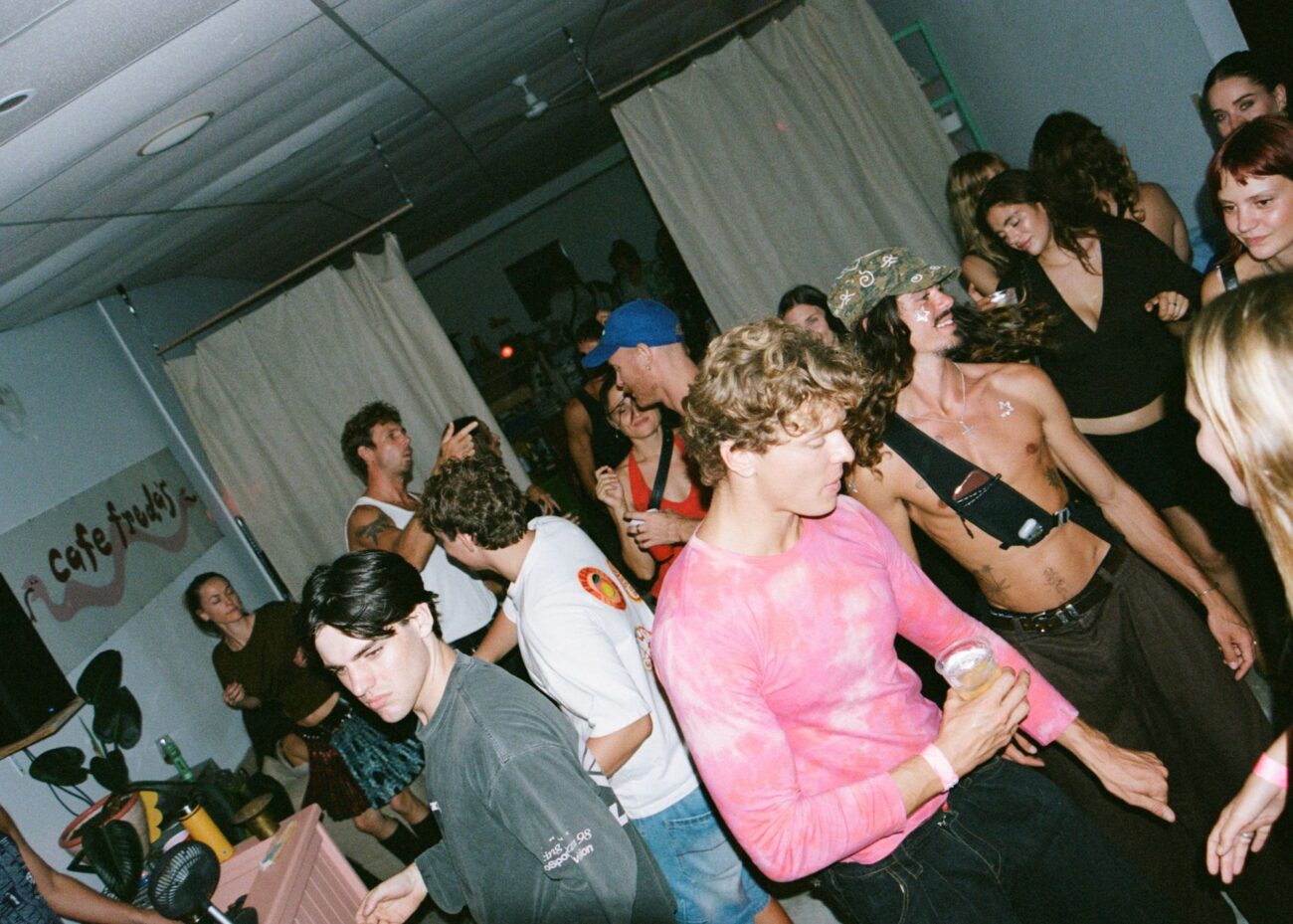
Last week, Freda’s hosted a residency at Divine Playhouse | Image: Supplied
According to The Guardian, Divine Playhouse has also now indefinitely cancelled upcoming events after its landlord issued a breach notice accusing the organisers of engaging in “offensive trade”. Both the venue and the Heaps Gay Instagram pages appear to be unavailable, as well as Divine Playhouse’s website. At the time of publication, organised protests spearheaded by Christian group The Prodigal Sons still appear to be going ahead later this week.
What’s the debate?
The strongest argument from critics is not simply that they dislike queer nightlife, although some of the online commentary has made that distinction harder to maintain. For many Christians, the building still carries sacred meaning, regardless of its current legal or religious status. A former church can still feel like a church, especially when the architecture, symbols and history remain intact.
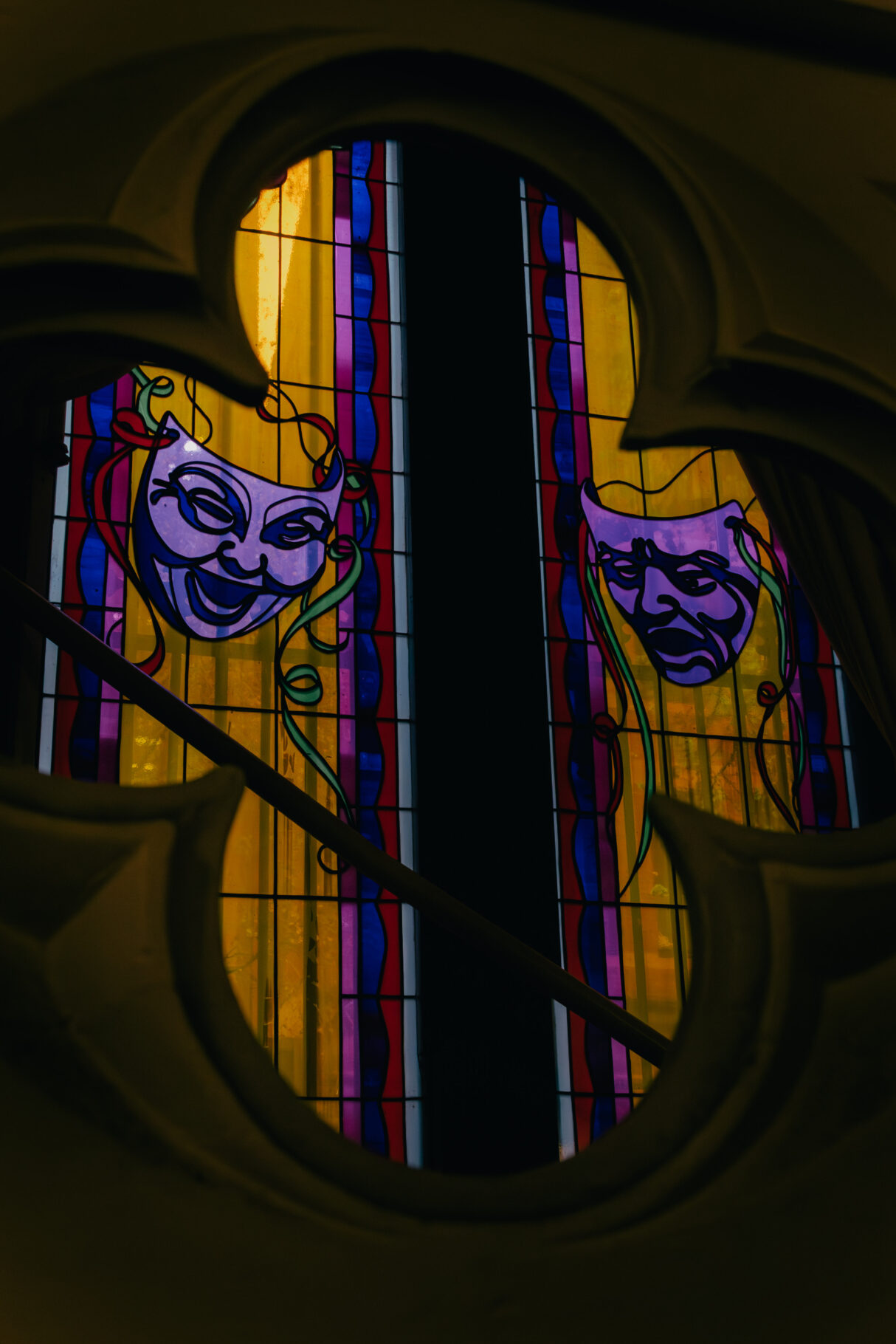
Inside Divine Playhouse | Image: Supplied, Anna Hay
Their second argument is about tone. It’s one thing, they say, to run an arts venue in a former church. It is another to use Christian language and imagery in a way that they perceive to be deliberately provocative. Add $100,000 of public funding into the mix, and the question becomes more politically loaded: should taxpayer money support art that some communities experience as religious disrespect?
The defence of Divine Playhouse starts with an equally basic fact: this is not an operating church. It’s been deconsecrated for almost a century and has already had secular uses, including as a theatre. Supporters also argue that Sydney desperately needs more independent creative spaces, particularly ones that are accessible to emerging artists, queer performers and nightlife communities.
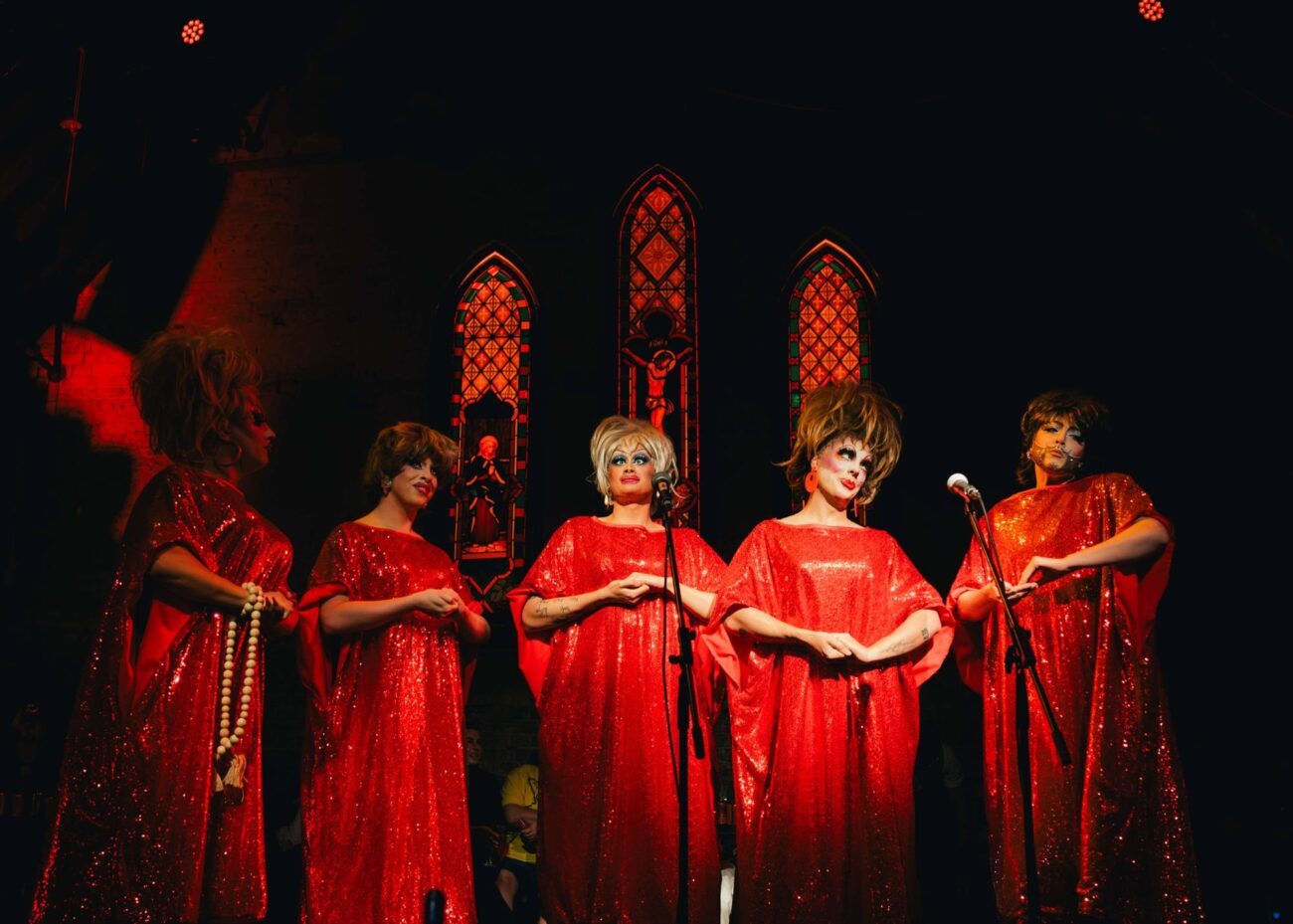
Opening night at Divine Playhouse last week | Image: Supplied, Anna Hay
There is arguably also a deeper cultural point here. Queer performance has a long history of using religious imagery, camp, satire and provocation, often because many LGBTQIA+ people have complicated relationships with religious institutions that excluded them. For some, reclaiming that language is not random disrespect. It is part of the work.
That does not mean everyone has to like it. But discomfort or offence alone has never been a fair argument for shutting down art, or speech, for that matter. As James Thorpe, founder of Odd Culture Group and co-chair of Night Time Industries Association, states, “Christians have a right to preach, protest and stand outside Divine Playhouse and pray. Queer artists have the right to make art that is confronting, irreverent and, yes, offensive.”
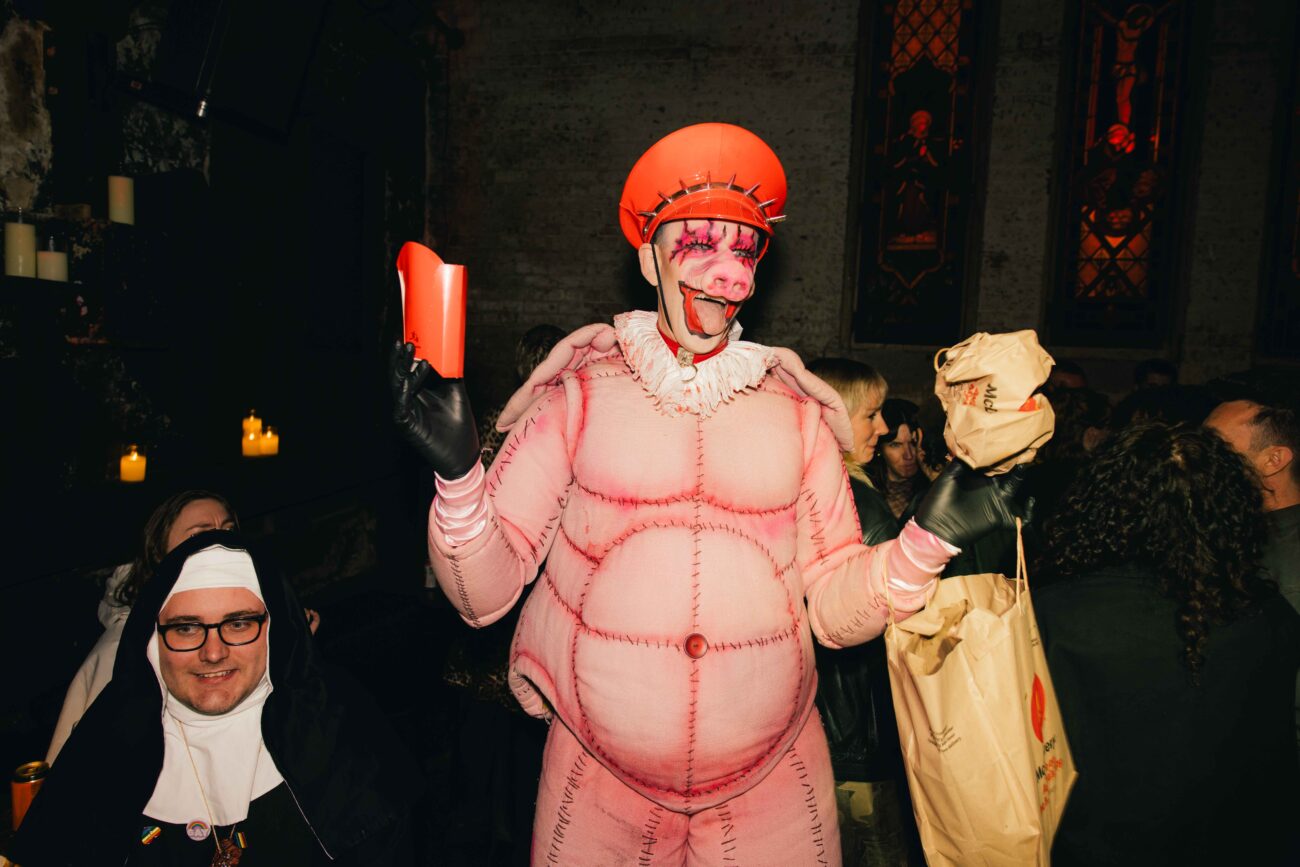
Opening night at Divine Playhouse last week | Image: Supplied, Anna Hay
So, where should the line sit?
Should a deconsecrated church impose a cultural responsibility on whoever uses it next? Should public arts funding support provocative work even when it offends religious groups? And when criticism becomes organised pressure, scrapped events and social media pile-ons, at what point does protest start to look like cultural cancelling?
That is the culture-war fault line which emerges here. One side sees a once sacred space being mocked with government support. The other sees a queer arts venue being unfairly targeted before it has even had a chance to exist.
What is certain, however, is that Divine Playhouse has become the latest stage for a much bigger Sydney argument. Who gets space? Who gets funding? And most importantly, who gets the right to offend?


