SCENE REPORT Sydney fashion wants to be taken seriously. On Cue proves it needs to have more fun.

BY: Kartya Vucetic
PHOTOGRAPHY: ETTA GASPAR PHOTOGRAPHY: CASSIDY MORRIS PHOTOGRAPHY: NIVRITI VIKRAM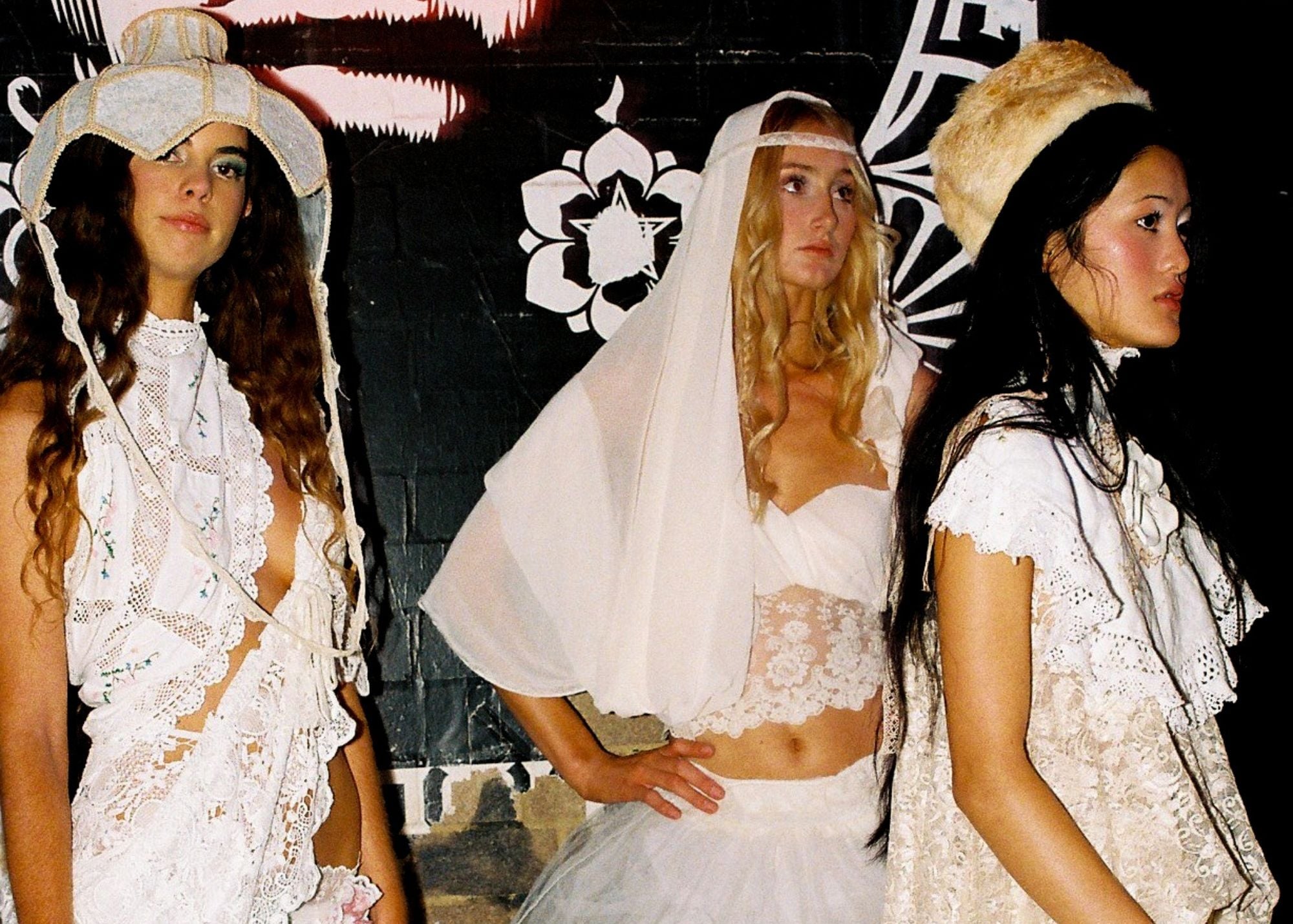
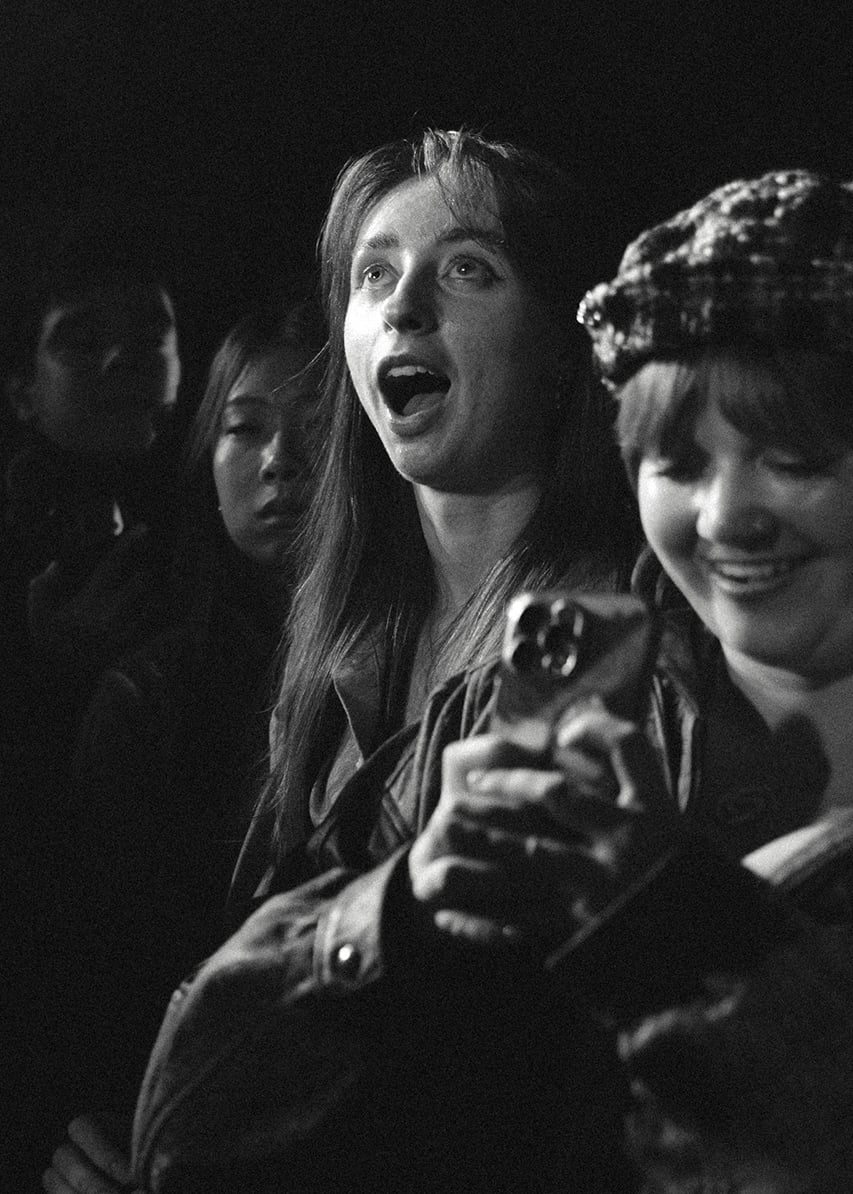
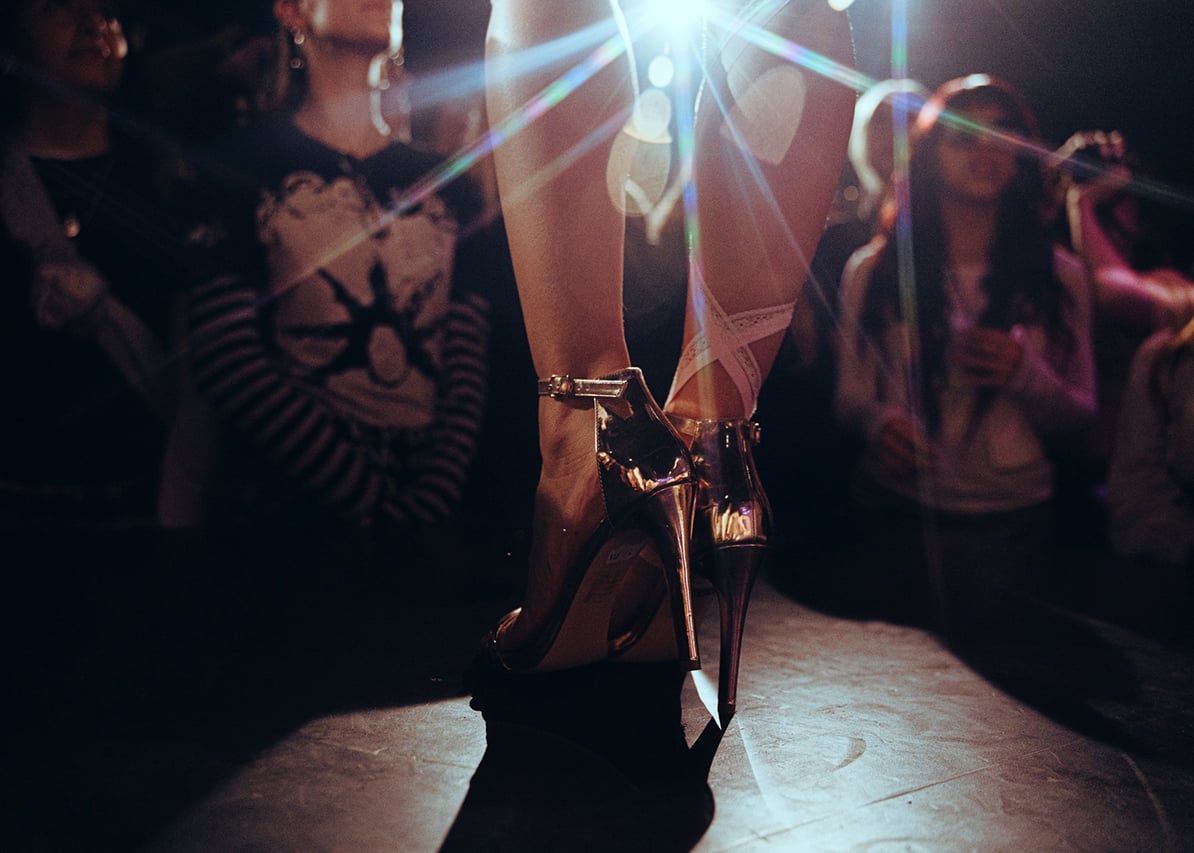
On the night of On Cue Runway, the line outside Oxford Art Factory stretched roughly 200 metres up Oxford Street.
Not for an international designer. Not for a Fashion Week afterparty guarded by three publicists and five clipboards. Hundreds of people were waiting to see 17 emerging Sydney designers: some still studying, some showing only three looks, and many presenting their work publicly for the first time.
The event was fully booked.
If Sydney’s fashion industry is looking for signs of where its future might be forming, it should probably start paying attention.
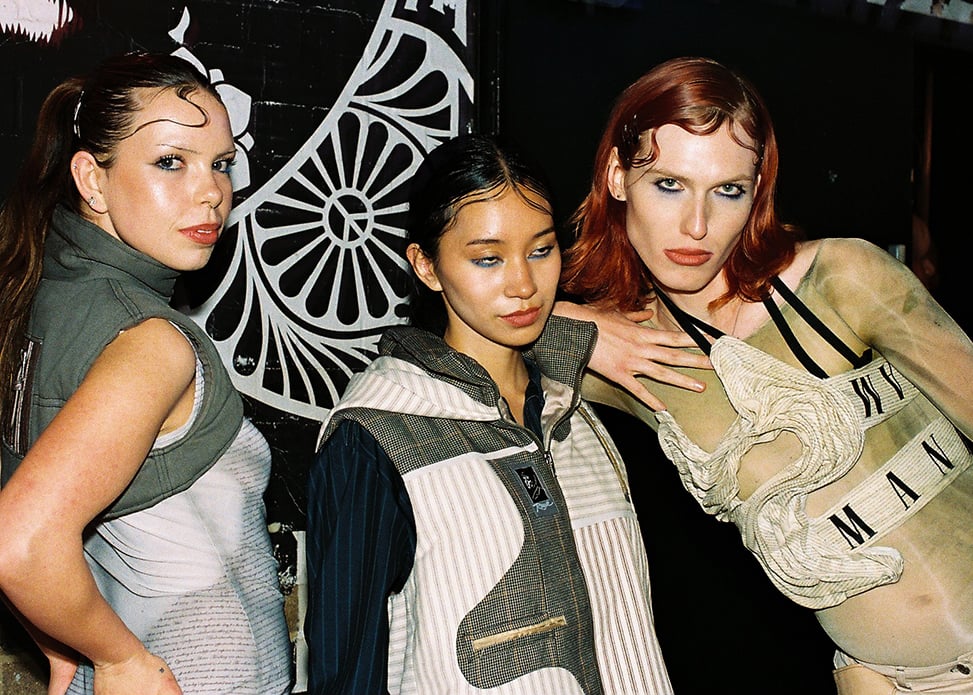
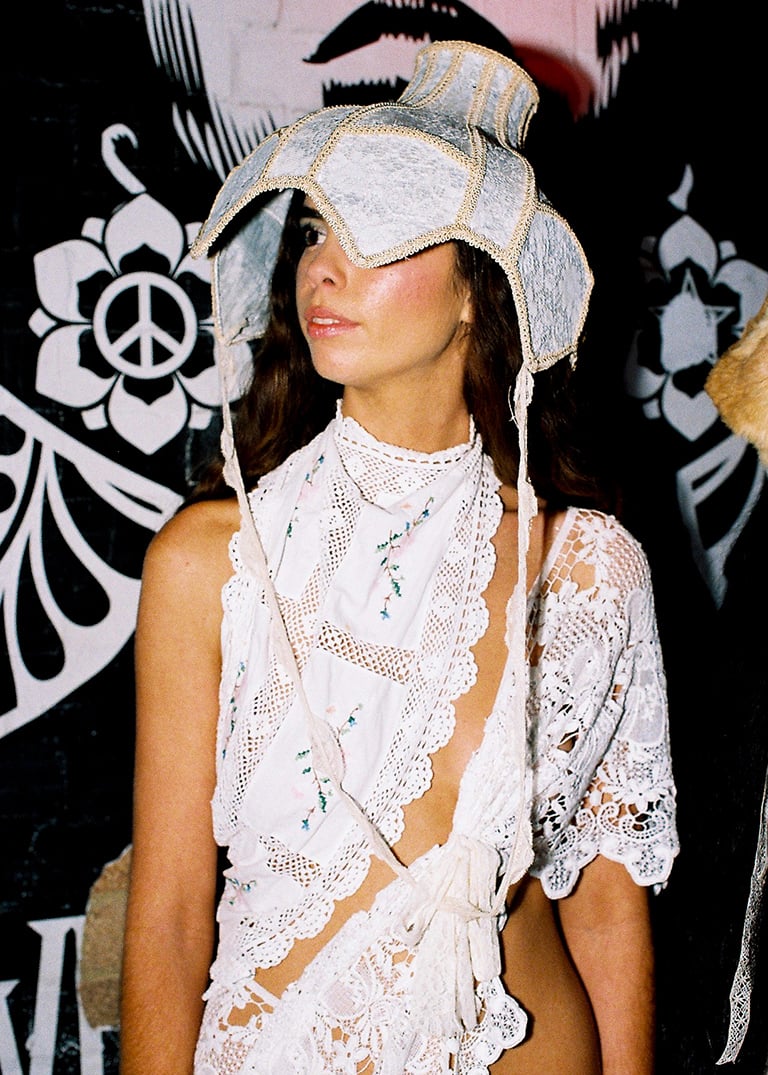
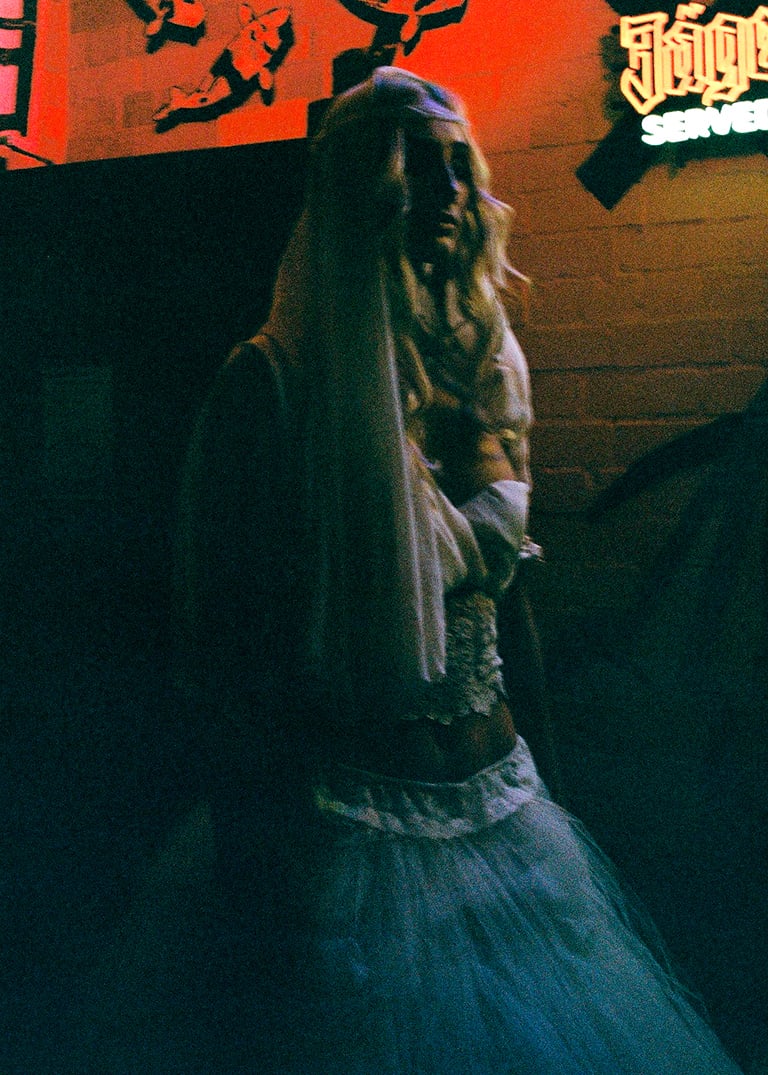
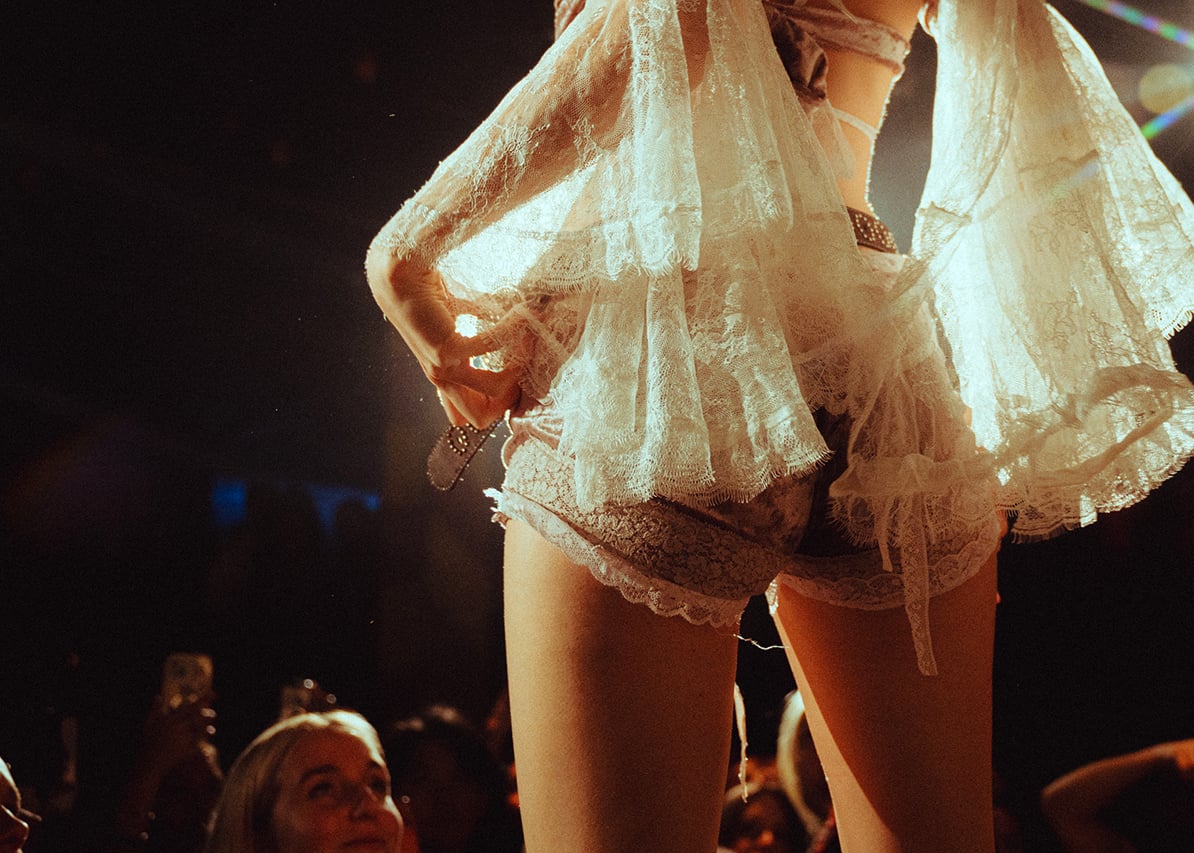
Image: Etta Gaspar (Instagram @ettagaspar)
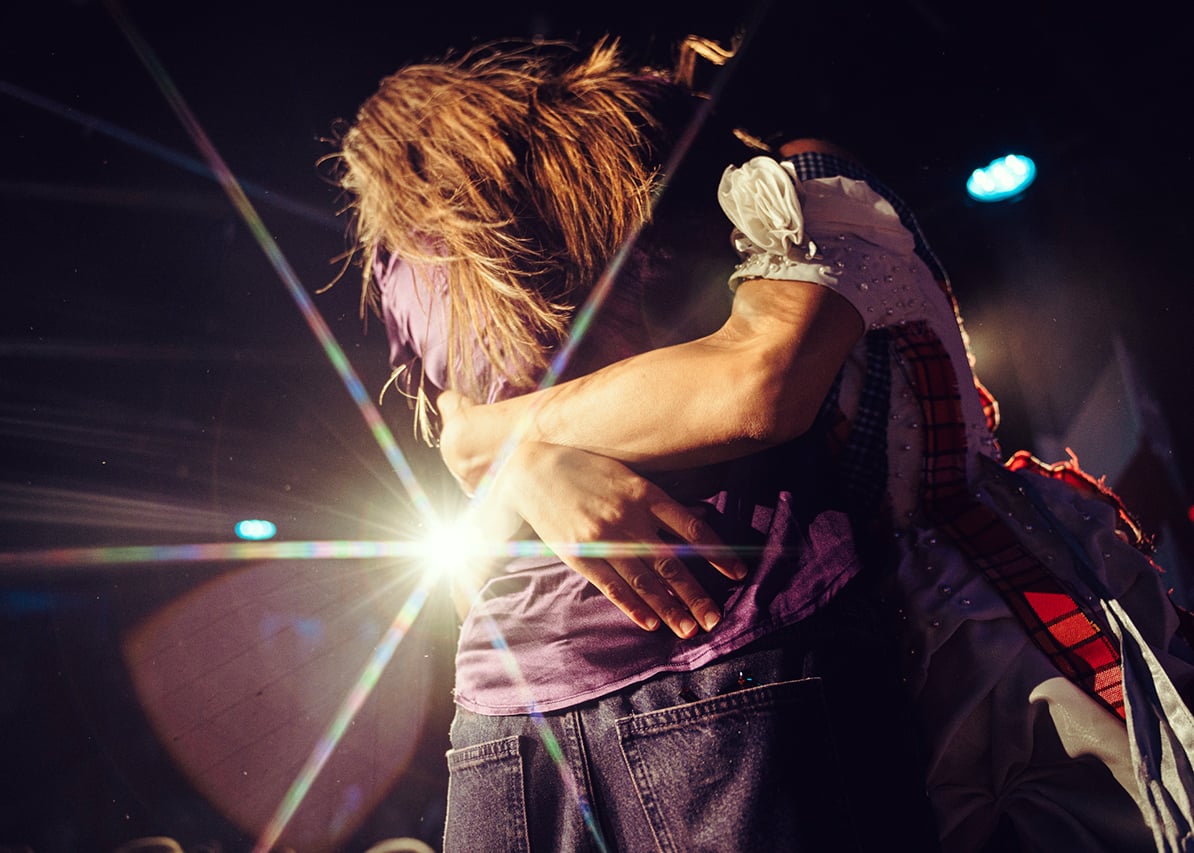
Presented by Debaser Events and Love Zainab, On Cue brought fashion, music and nightlife together at Oxford Art Factory on Thursday 13 August. Each designer curated a playlist around the ideas, references and emotions behind their work, which was then interpreted by DJs live during the show.
The premise was “independent fashion, underground sound”, but what unfolded was considerably bigger than a standard runway.
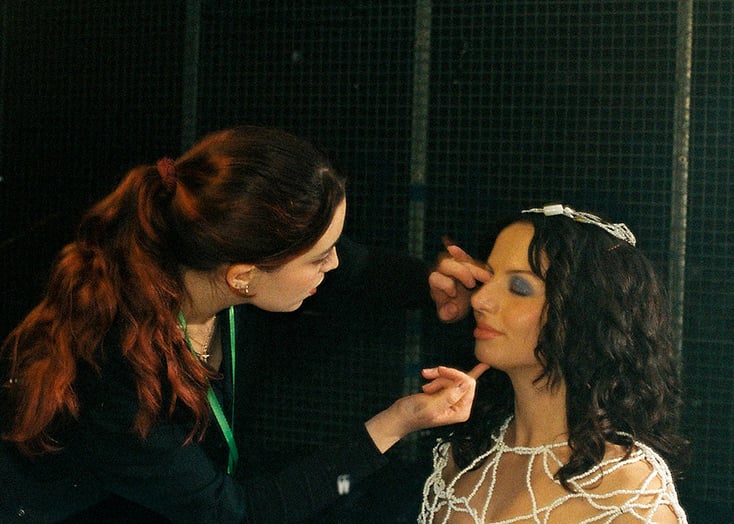
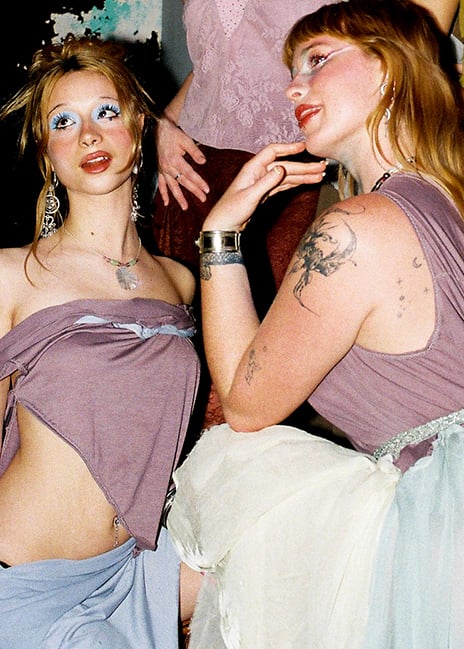
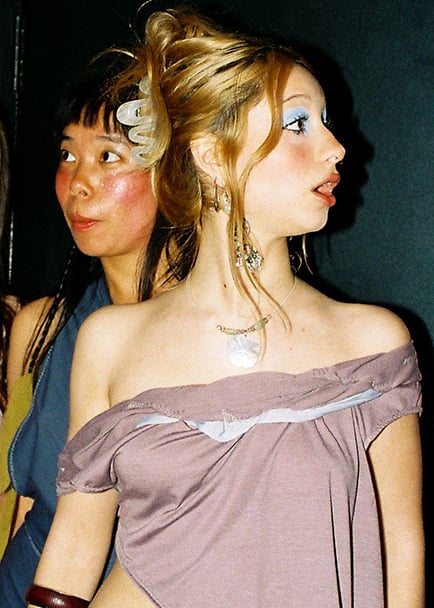
There were designers, models, musicians, DJs, photographers, stylists, makeup artists, creative directors and production teams (many young or early in their careers) working together to build an entire world for one night.
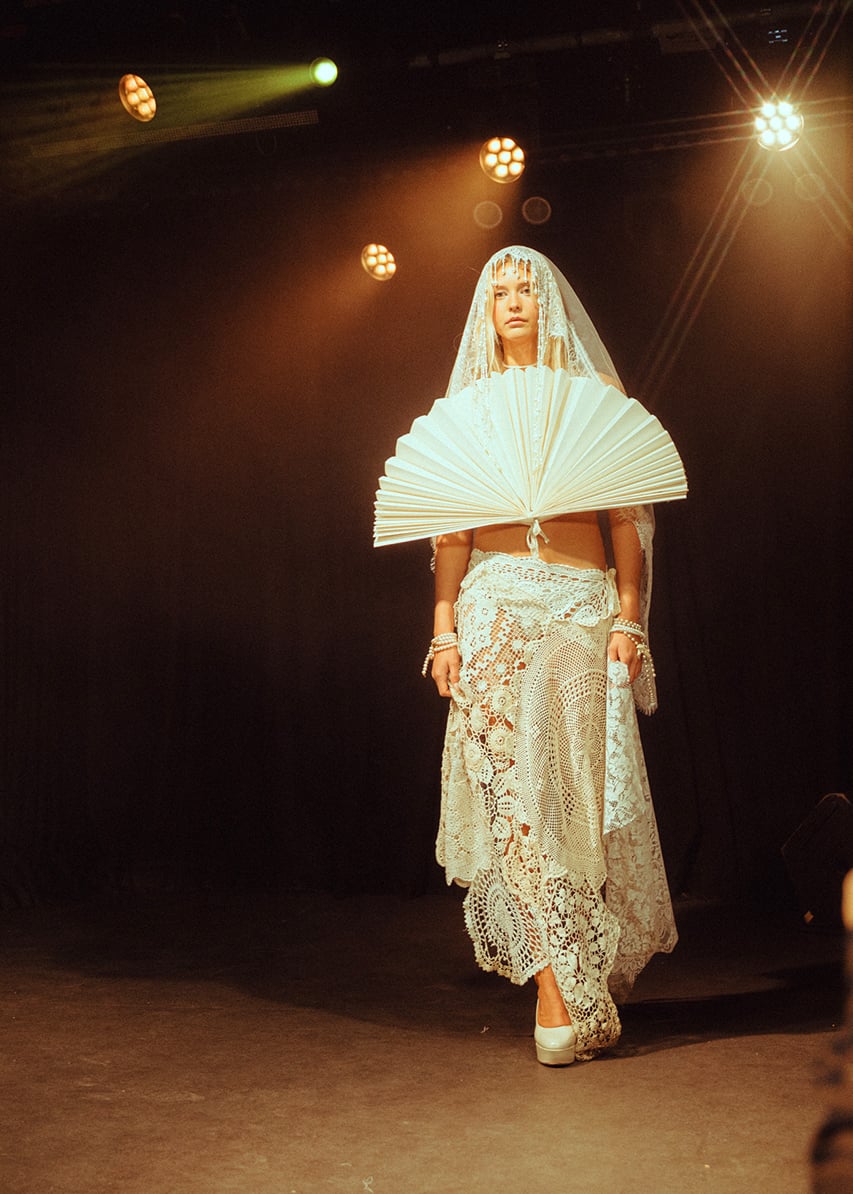
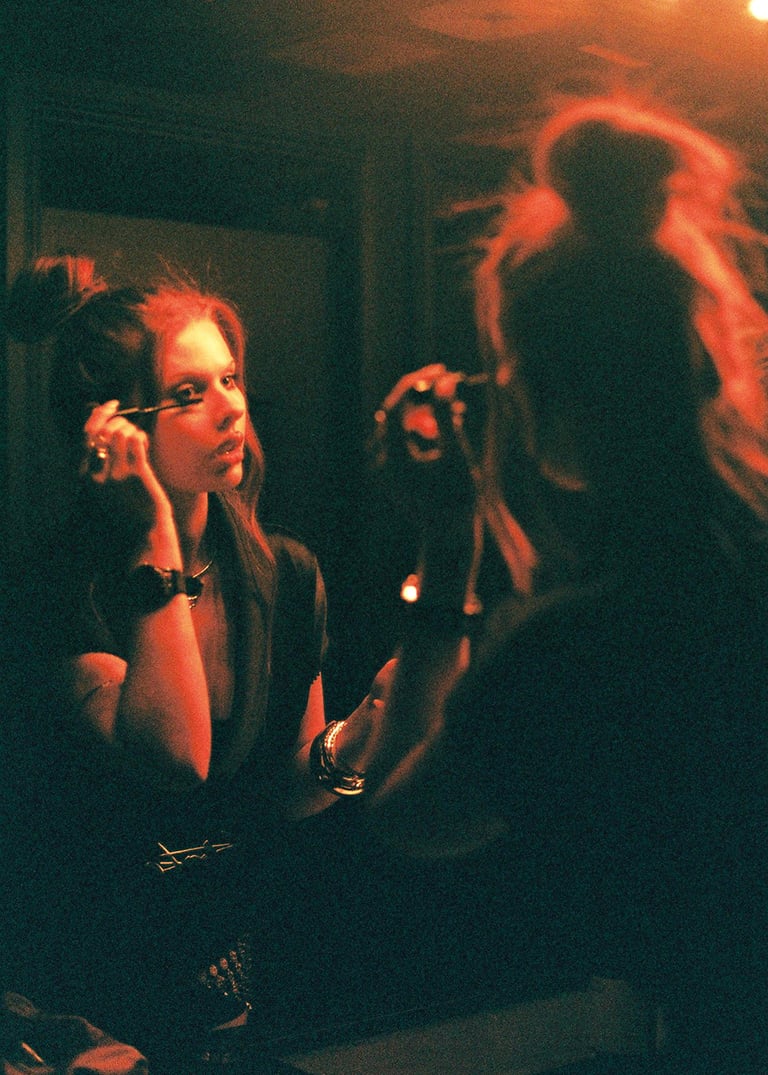
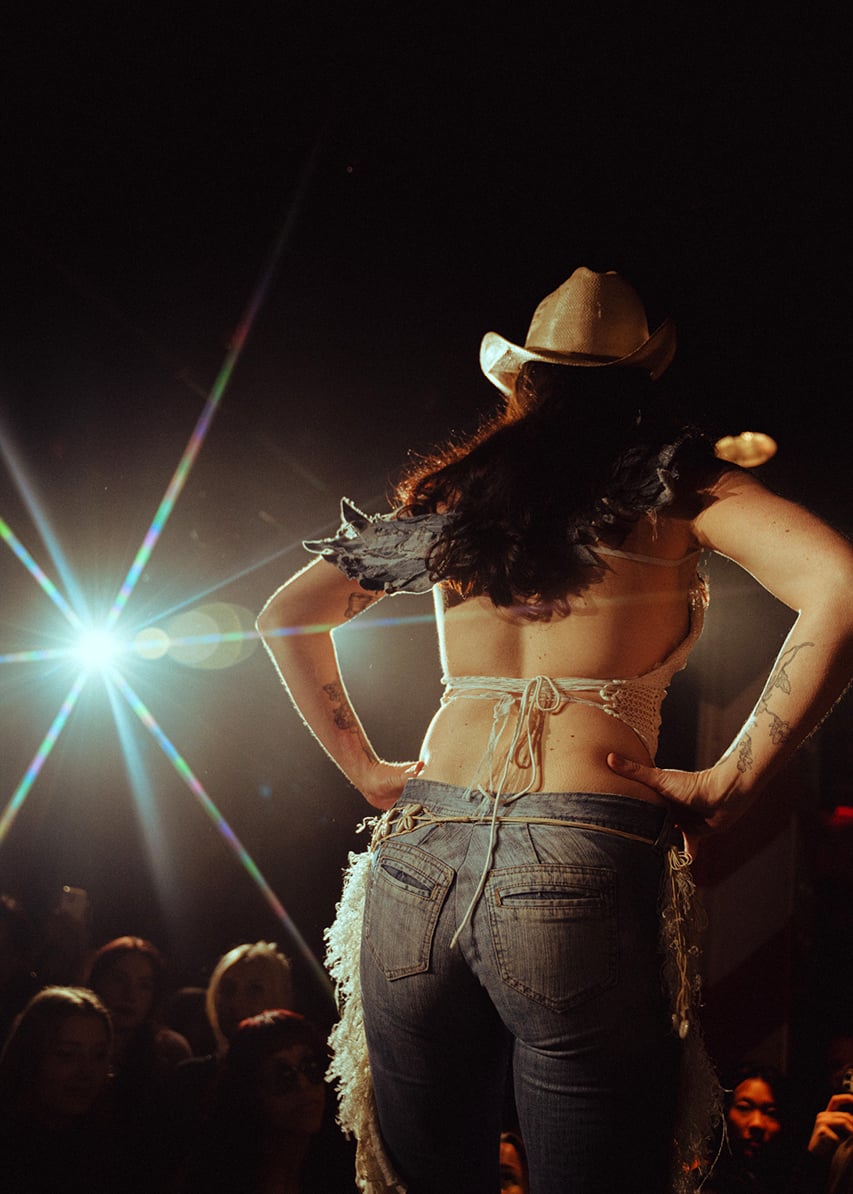
Image: Cassidy Morris (Instagram @cass.etttetape)
Fashion was the centre of it, but the platform extended well beyond clothing.
Emerging creatives do not develop in isolation. Designers need models willing to wear experimental work. Models need photographers to build portfolios. Photographers need events worth documenting. Musicians need rooms and audiences. Makeup artists, stylists and creative directors need opportunities to test ideas before someone decides they are established enough to be trusted with them.
On Cue gave that to all of them.
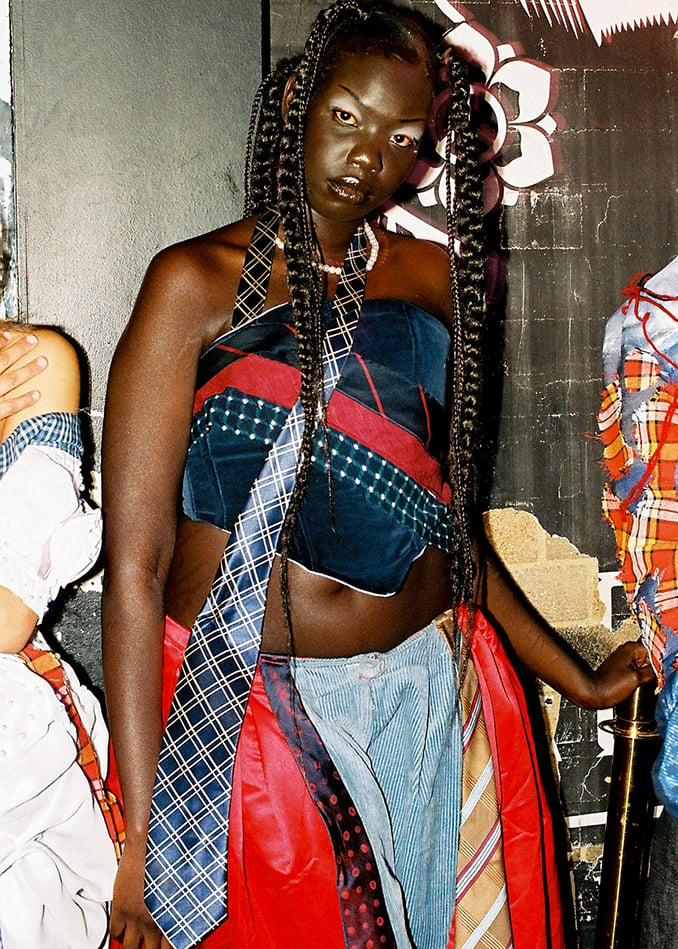
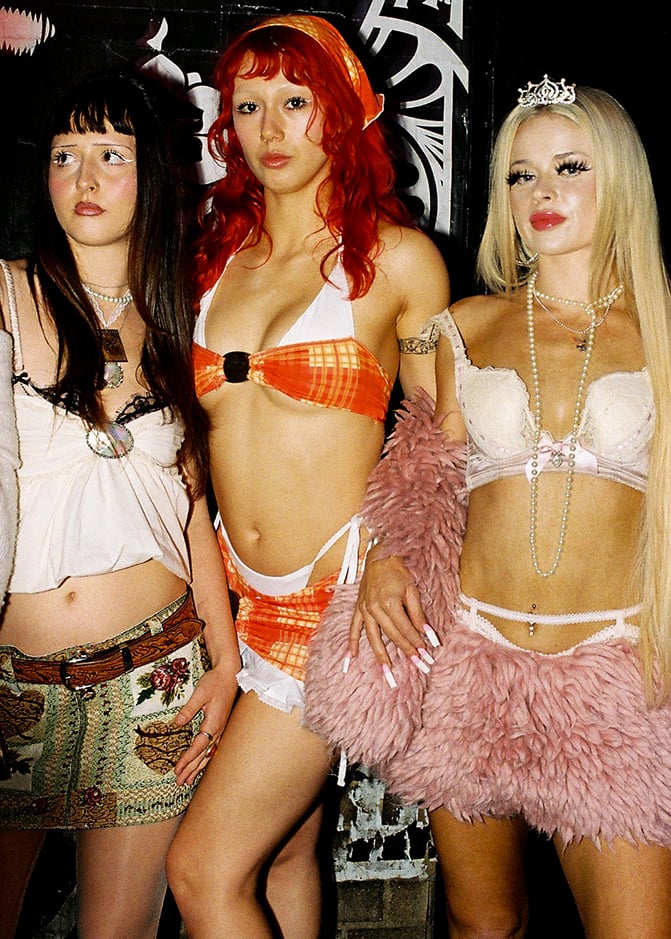
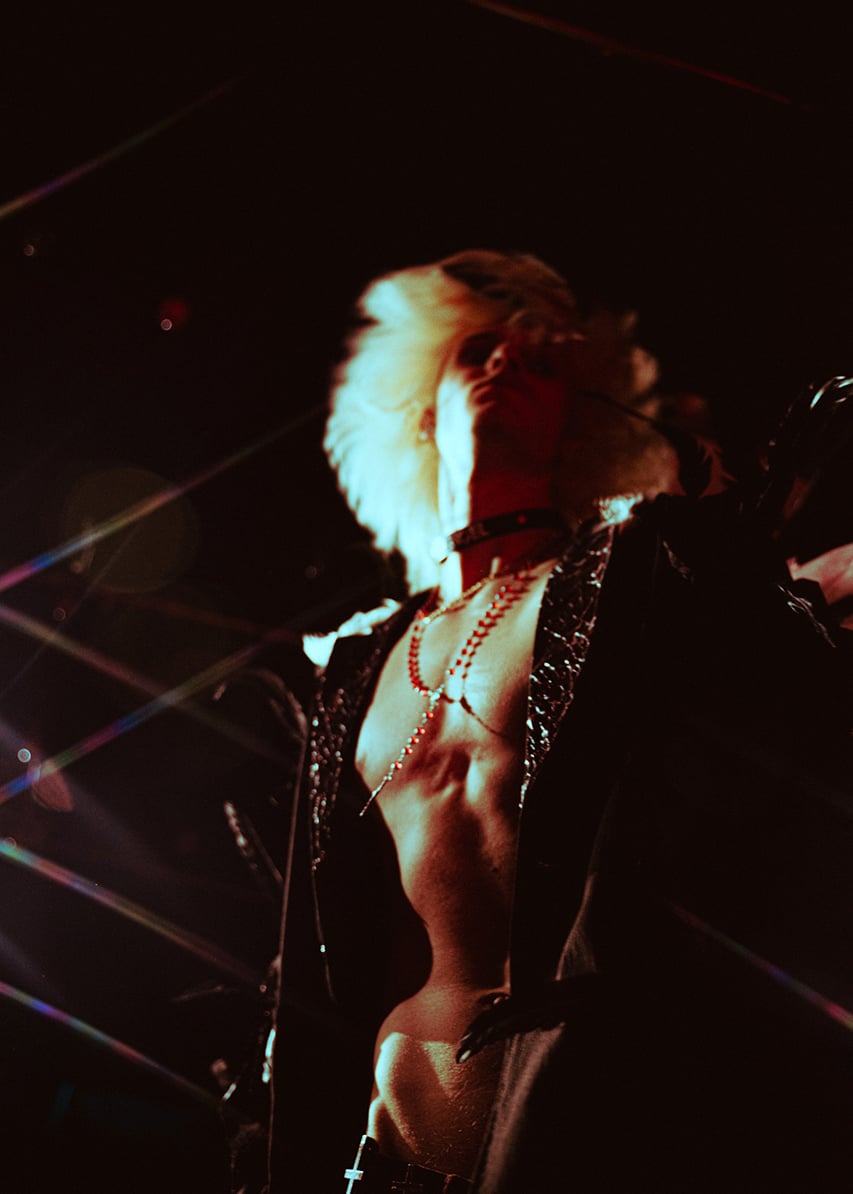
Image: Etta Gaspar (Instagram @ettagaspar)
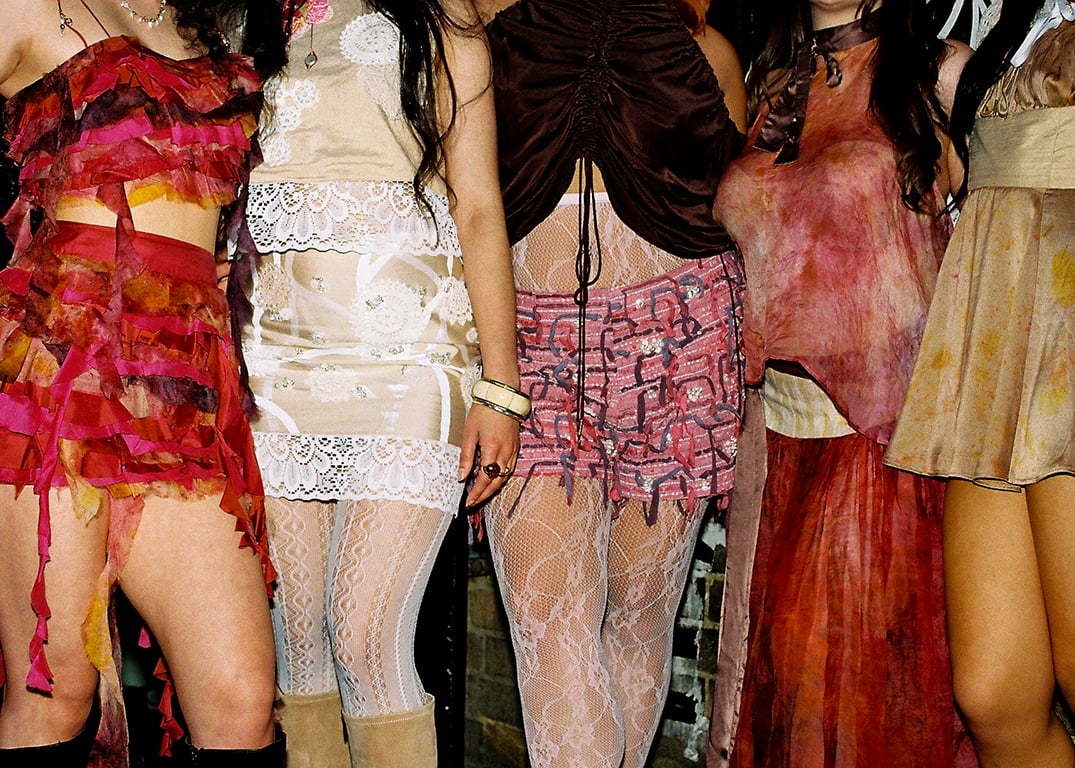
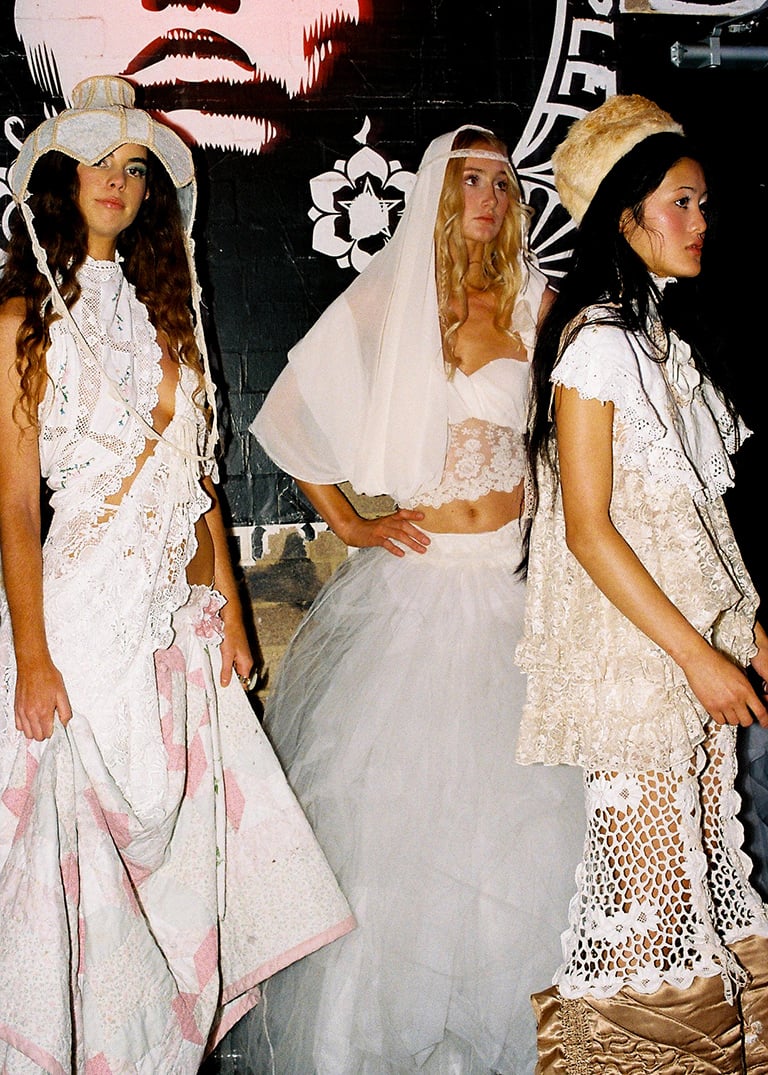
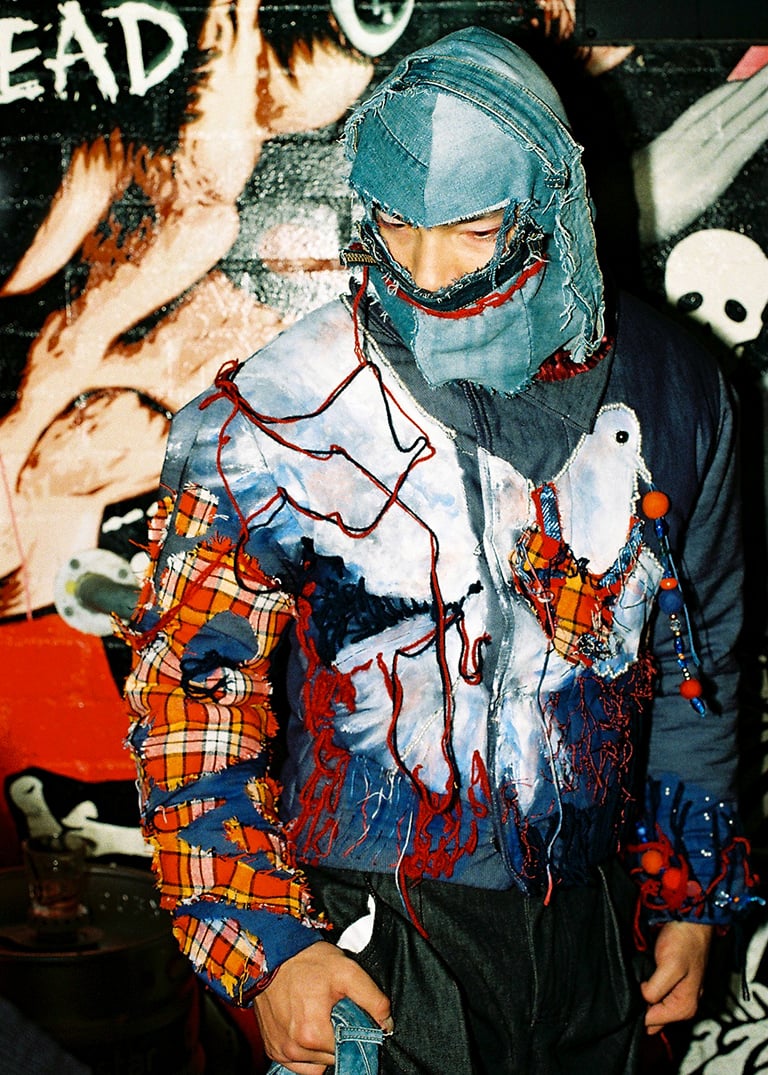
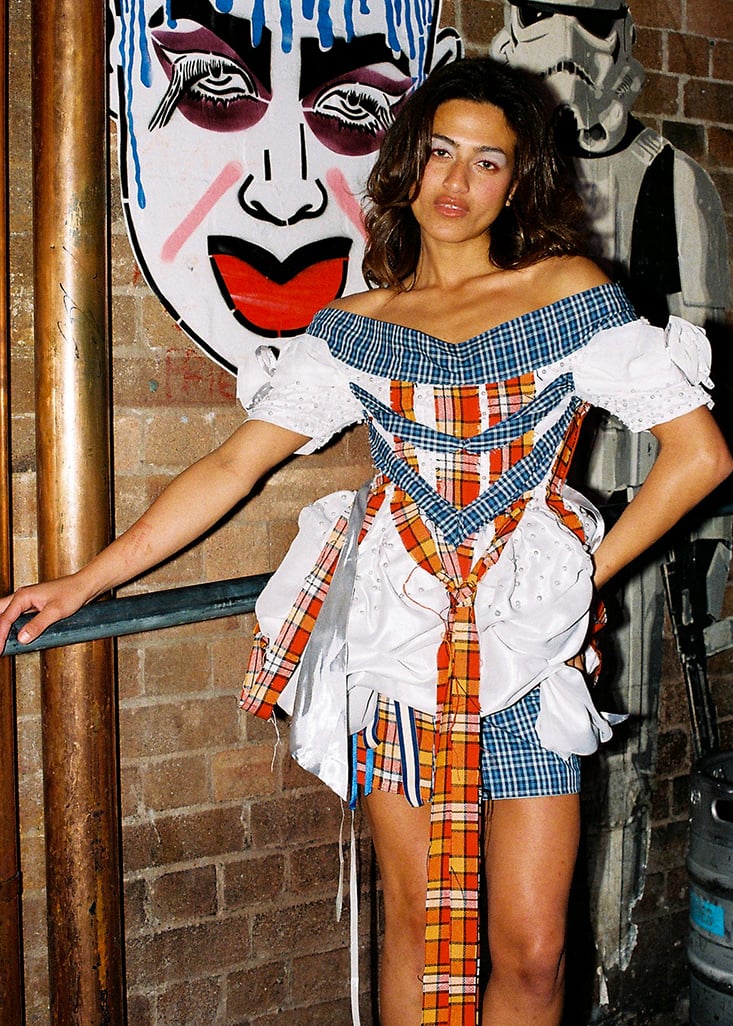
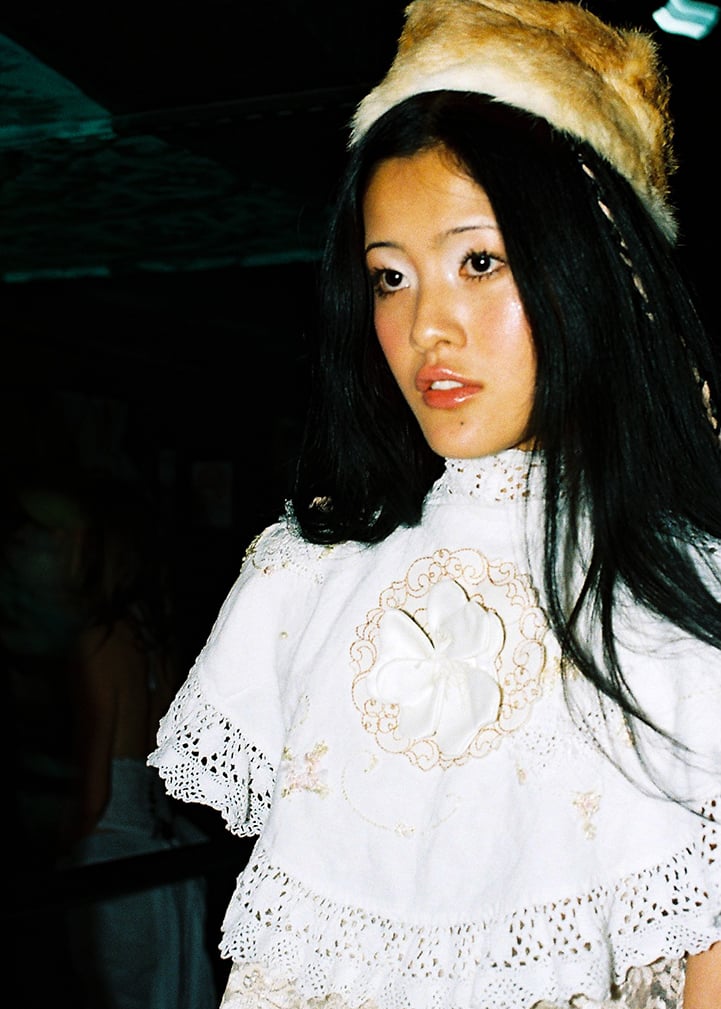
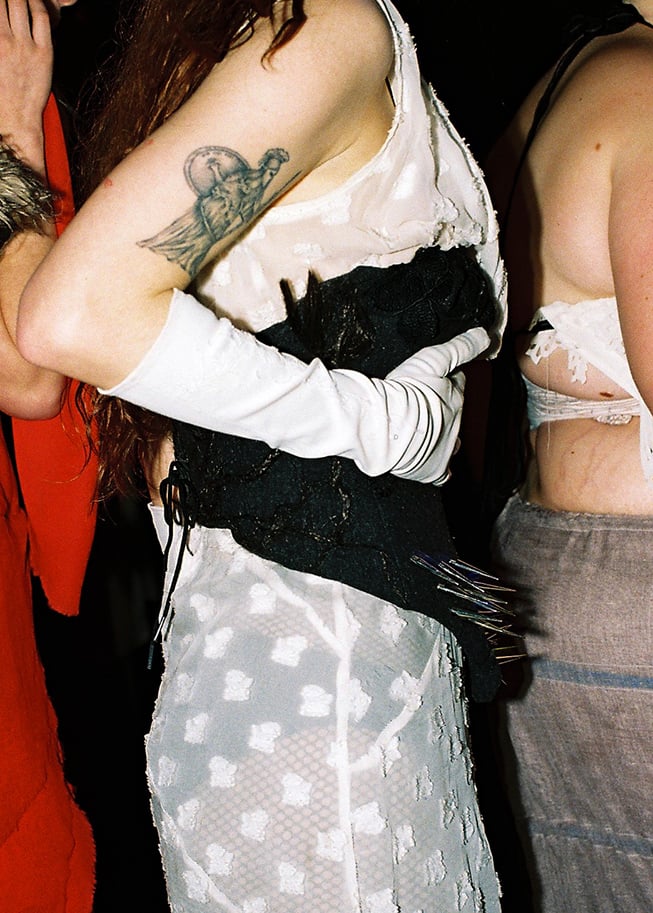
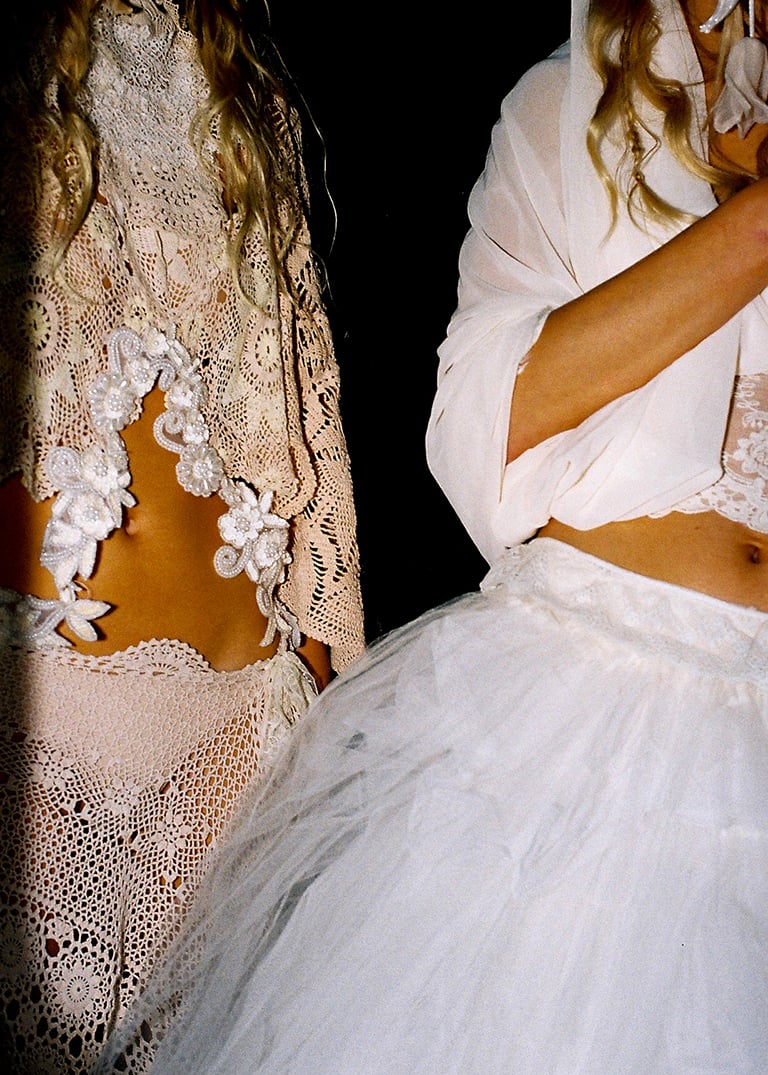
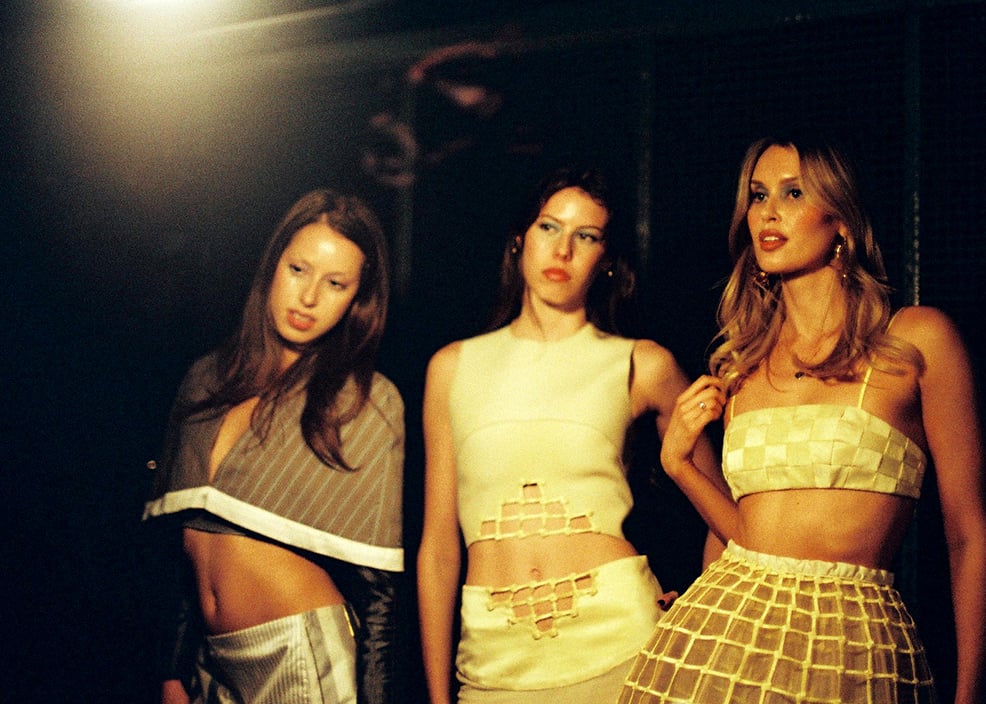
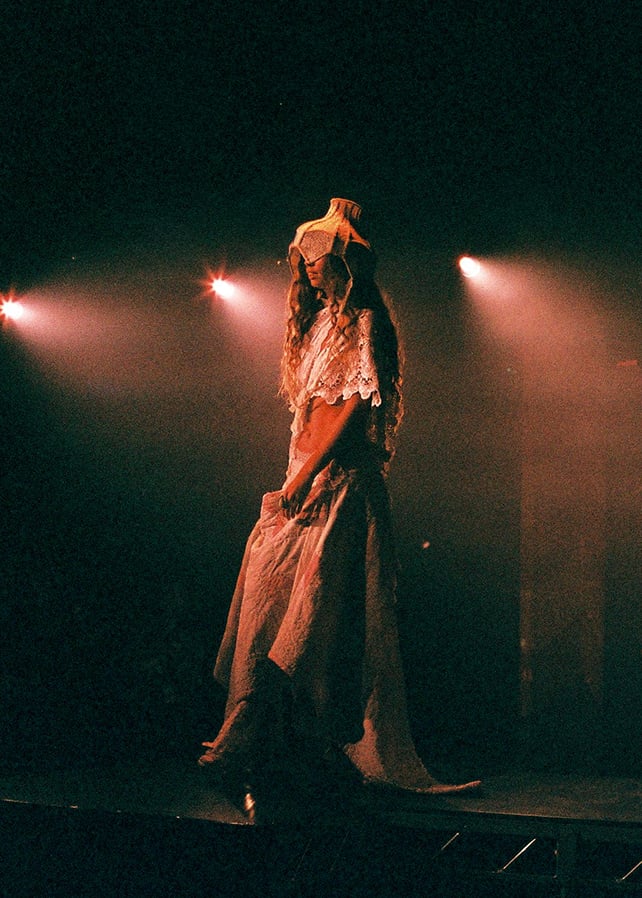
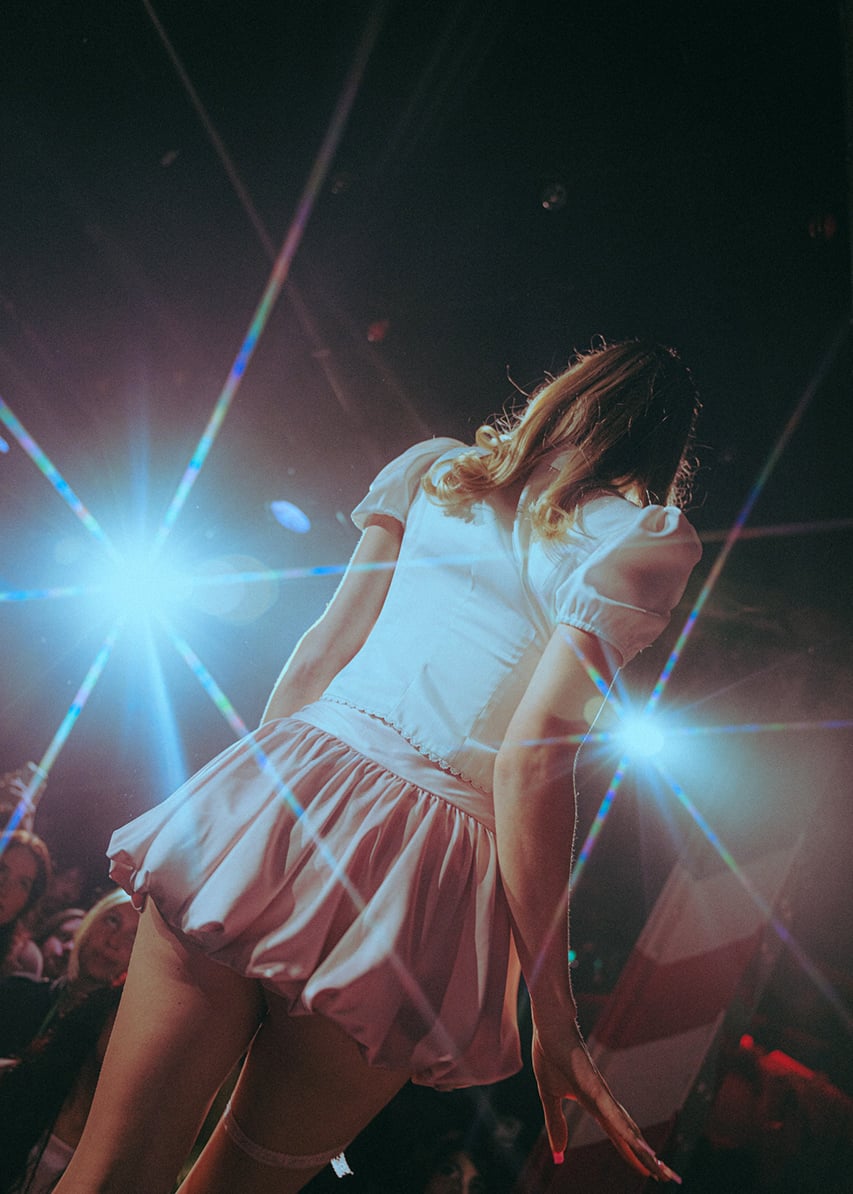
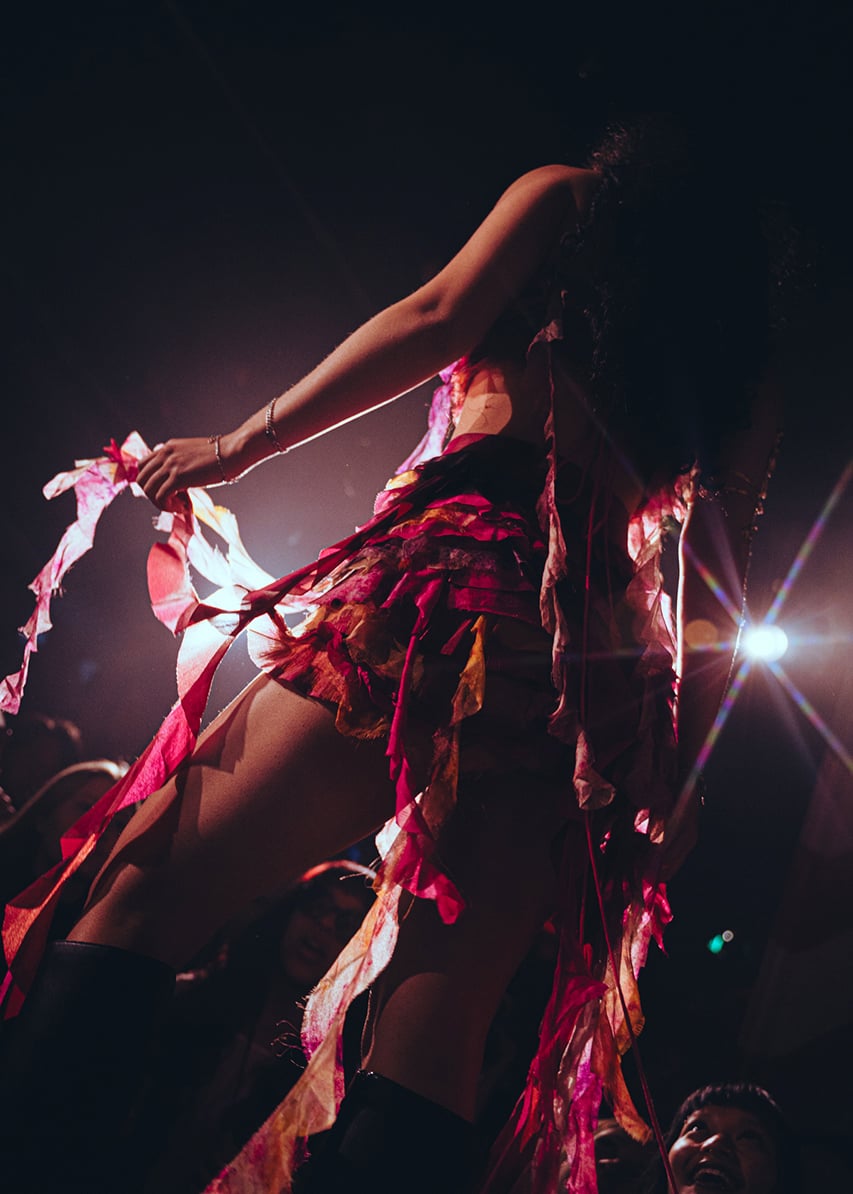
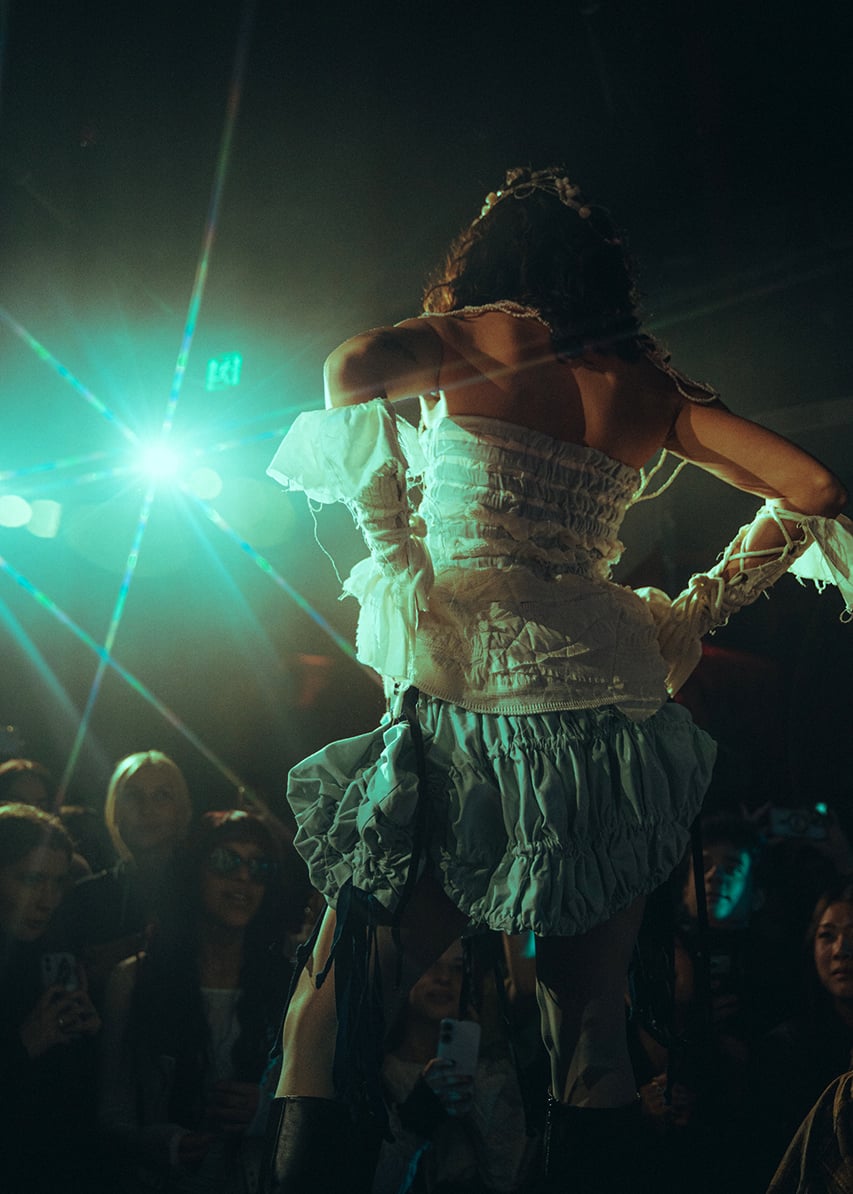
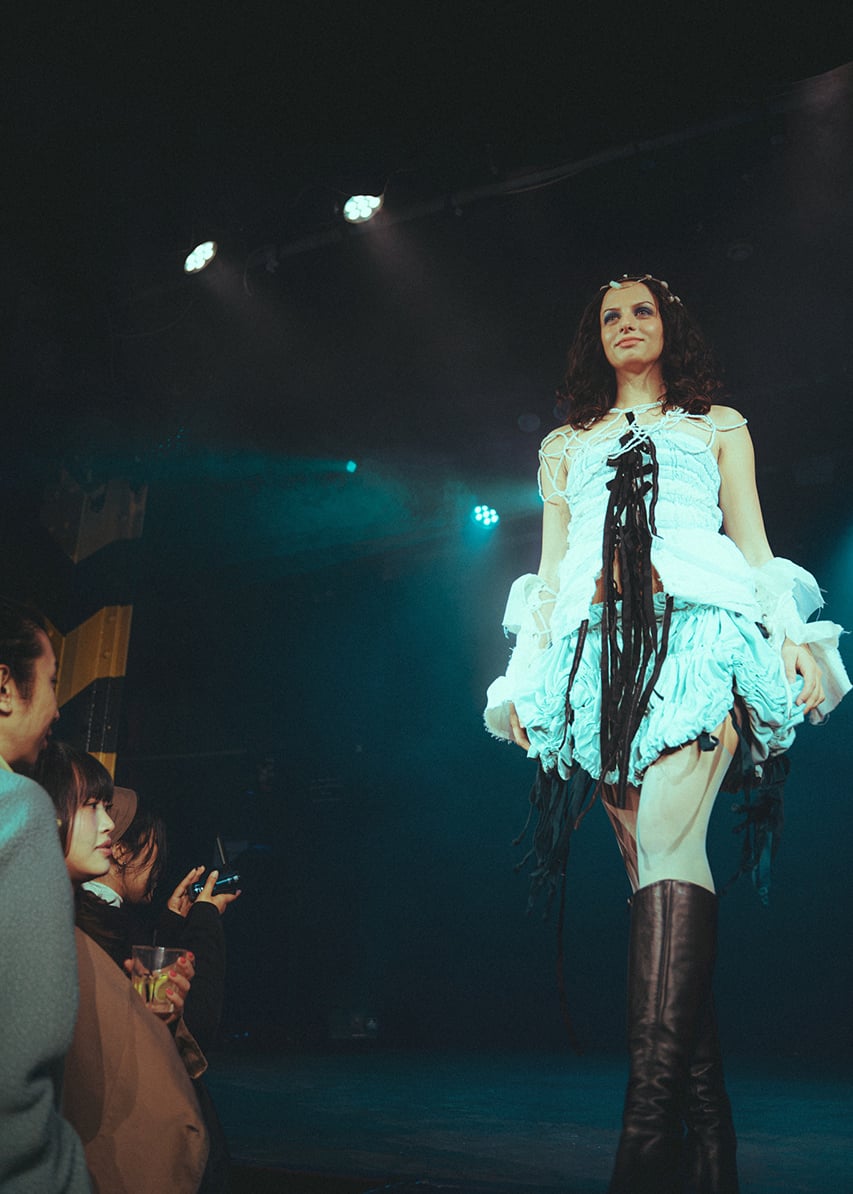
The runway itself moved through a genuinely broad range of perspectives. Amelie Carter’s euphoric party wear was made entirely from second-hand materials, including damaged clothing, forgotten fabrics, lace and tablecloths. Sarah Dandie drew on The Odyssey and disability theory to explore neurodivergence, identity and alternative experiences of time. Julia Tapiador’s JVT Collective included a hand-draped top that took 76 hours to stitch.
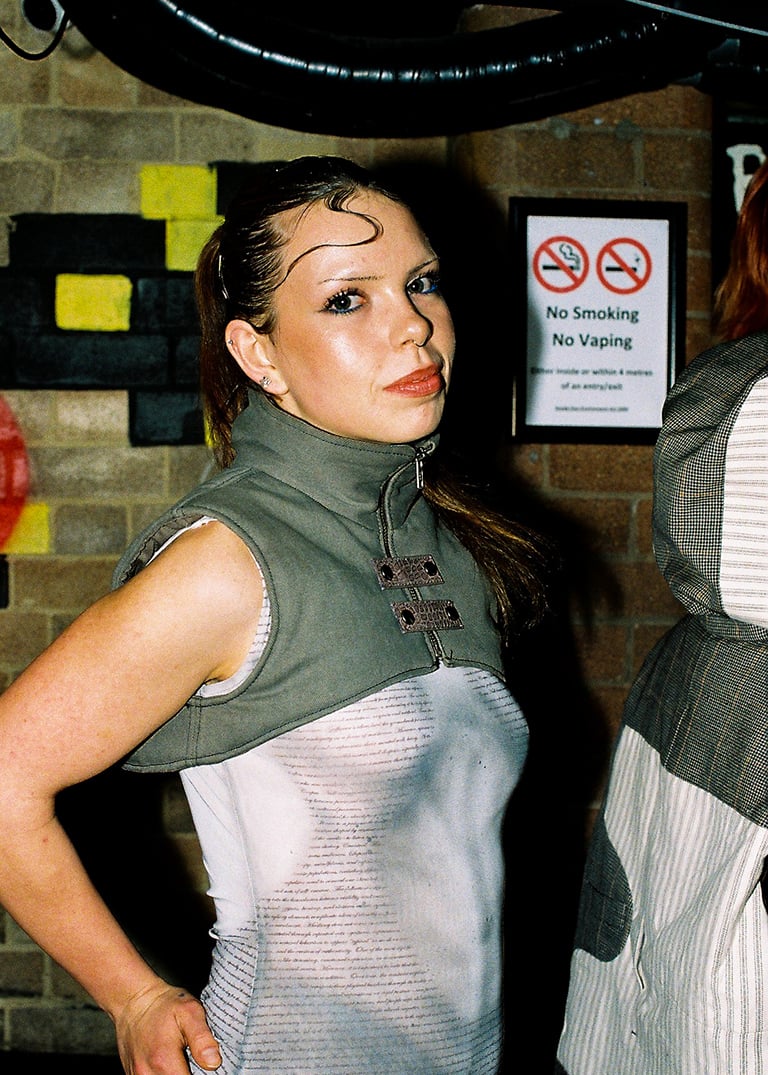
These were not watered-down commercial collections designed to fit neatly into an established Sydney aesthetic. They were specific, personal and occasionally strange. The best part was that they were allowed to be.
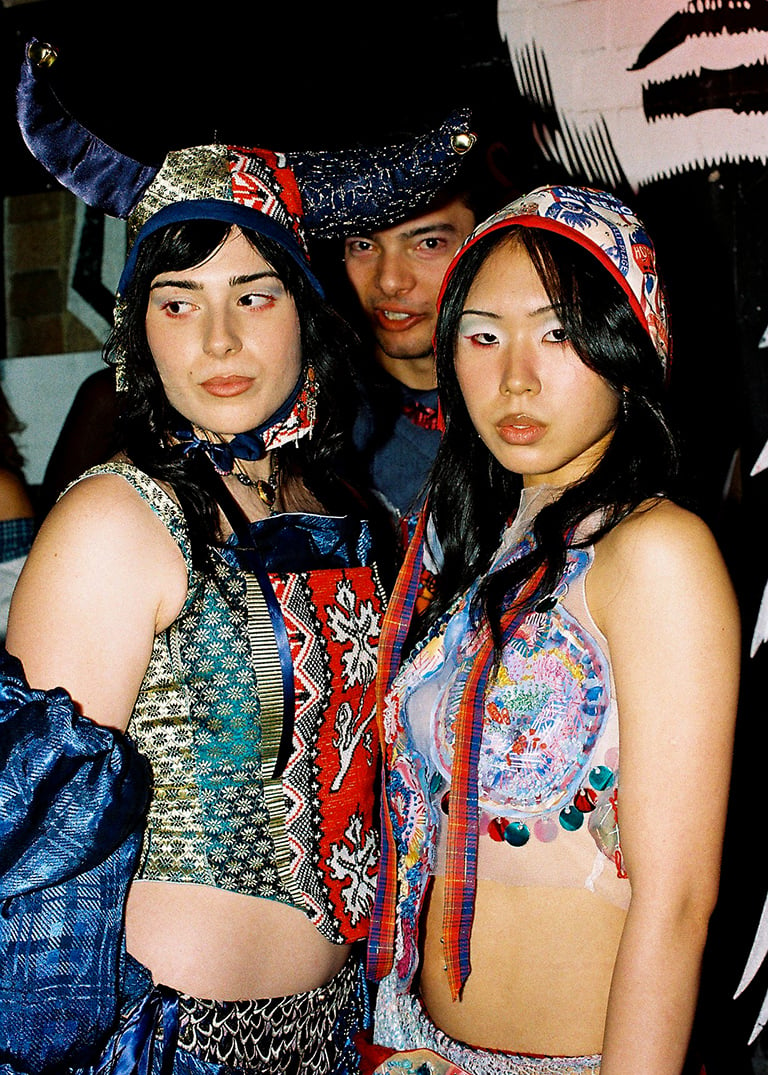
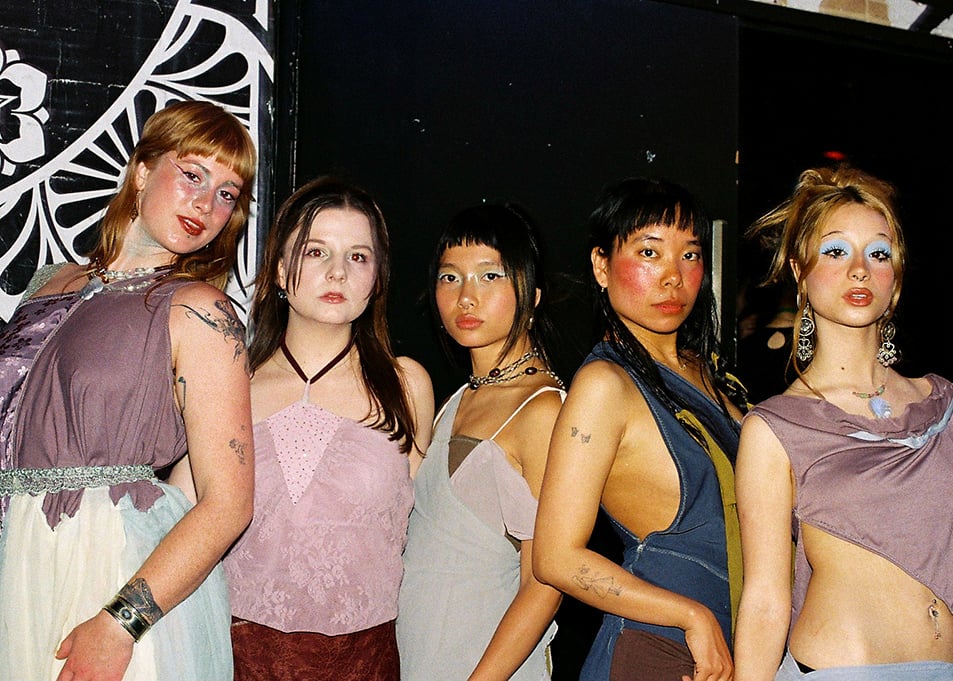
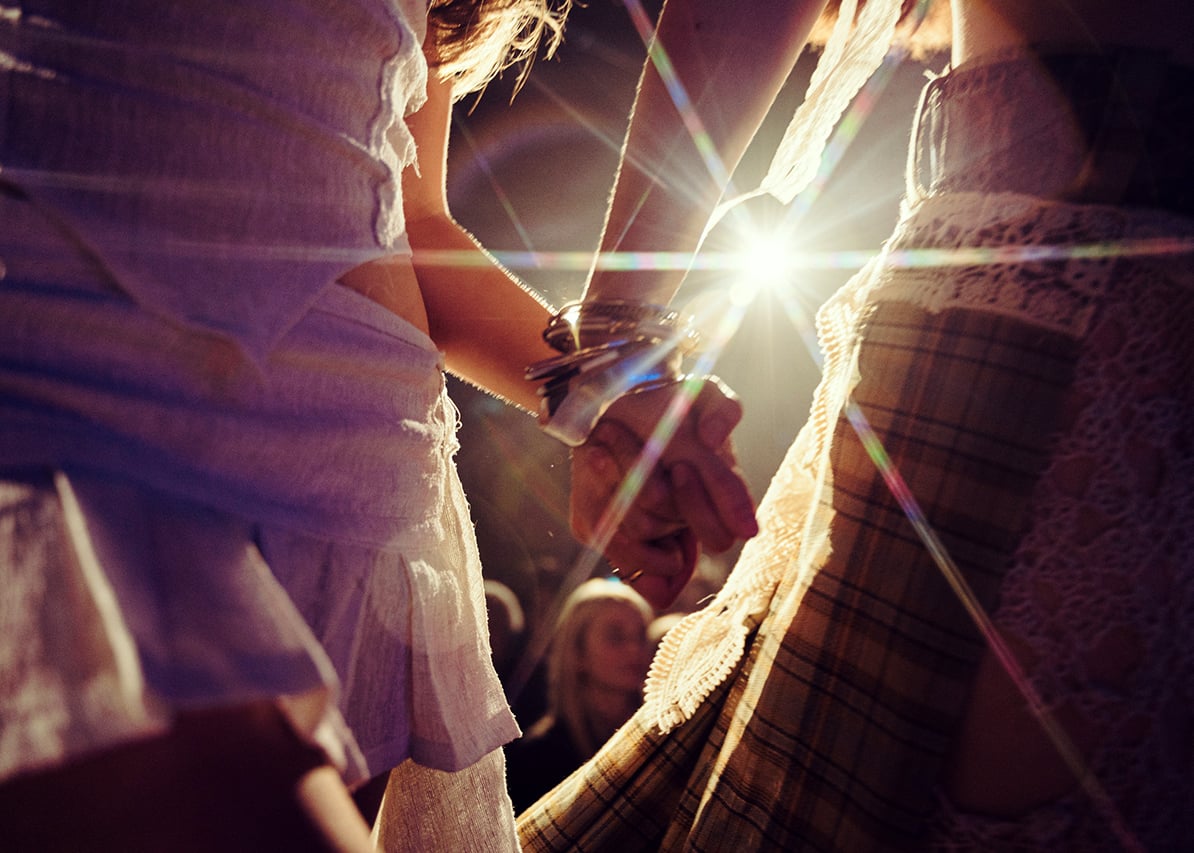
Image: Etta Gaspar (Instagram @ettagaspar)
Is this the new middle ground of fashion?
On one end, Sydney is home to some major fashion institutions and industry events. On the other end, we have an enormous number of talented creatives making things privately. And while one might mistake that for a thriving scene, what has often been missing is the accessible infrastructure between the two scenes.
That infrastructure looks like more spaces where emerging creatives can experiment publicly, meet collaborators, make mistakes, build portfolios and attract an audience before they have achieved commercial viability.
On Cue is part of a growing movement filling that gap.
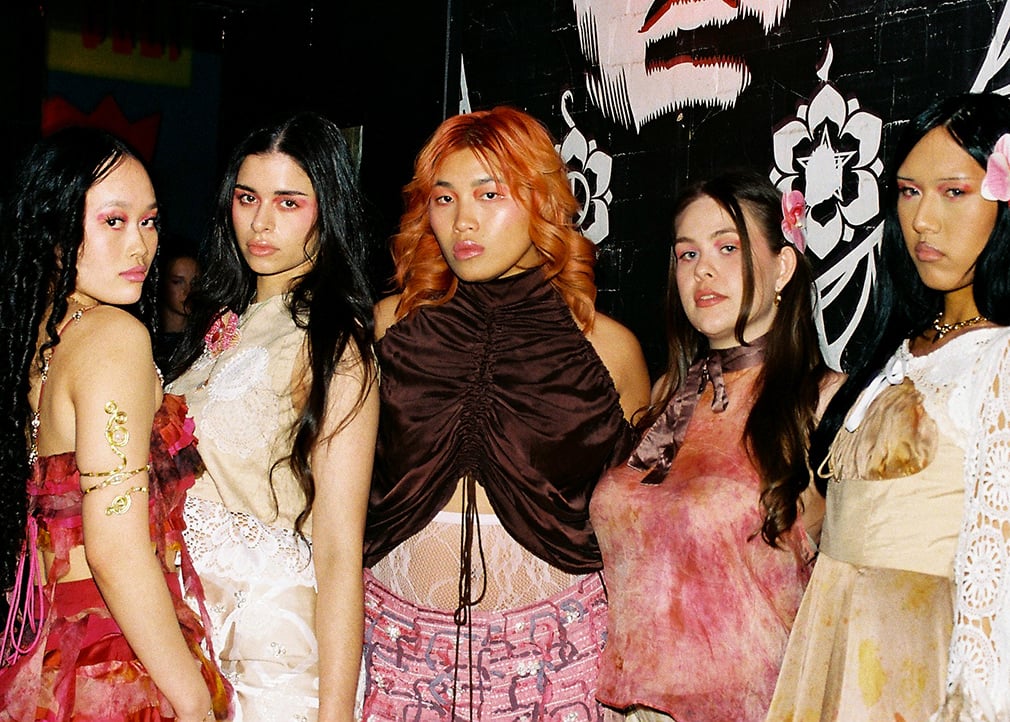
Image: Etta Gaspar (Instagram @ettagaspar)
The future of Sydney fashion…
Earlier this year, MODA Designer turned an independent runway into a nightclub-esque arena at White Bay Cruise Terminal. Raw Form 2 brought designers, musicians, photographers, poets, publishers and artists together in a format somewhere between a runway, gig and creative gathering.
Now, On Cue has pulled a line hundreds of people long outside Oxford Art Factory.
At this point, Sydney’s appetite for independent fashion is not theoretical. The audience is physically standing outside and waiting to get in.
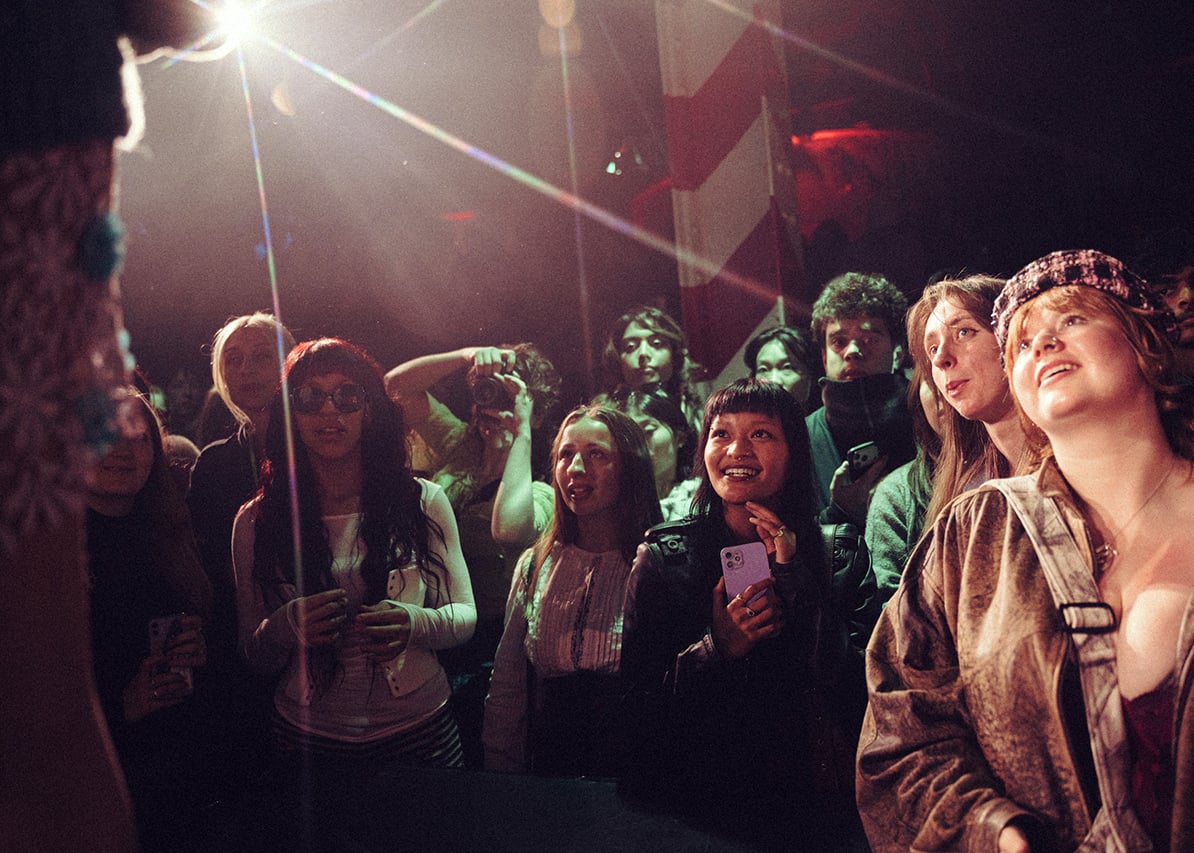
Image: Cassidy Morris (Instagram @cass.etttetape)
If Sydney wants a fashion scene capable of being taken seriously, it cannot only platform designers who fit neatly within established images. It needs to make room for experimentation, subcultures, young people, unfinished ideas and work that may never appeal to the minimalist front row. And perhaps this is the part that Sydney fashion has forgotten.
Before it was an industry, an aesthetic hierarchy, or an exercise in appearing important, fashion was about transformation. It was about trying something on, becoming someone else for a moment and seeing how it felt.
At the end of the night, On Cue was a room full of people playing dress-ups and having a laugh. And perhaps that is exactly why it felt so serious.