REPORT Lime bikes in Sydney prove we are collectively failing the trolley test

BY: David J Lawrence
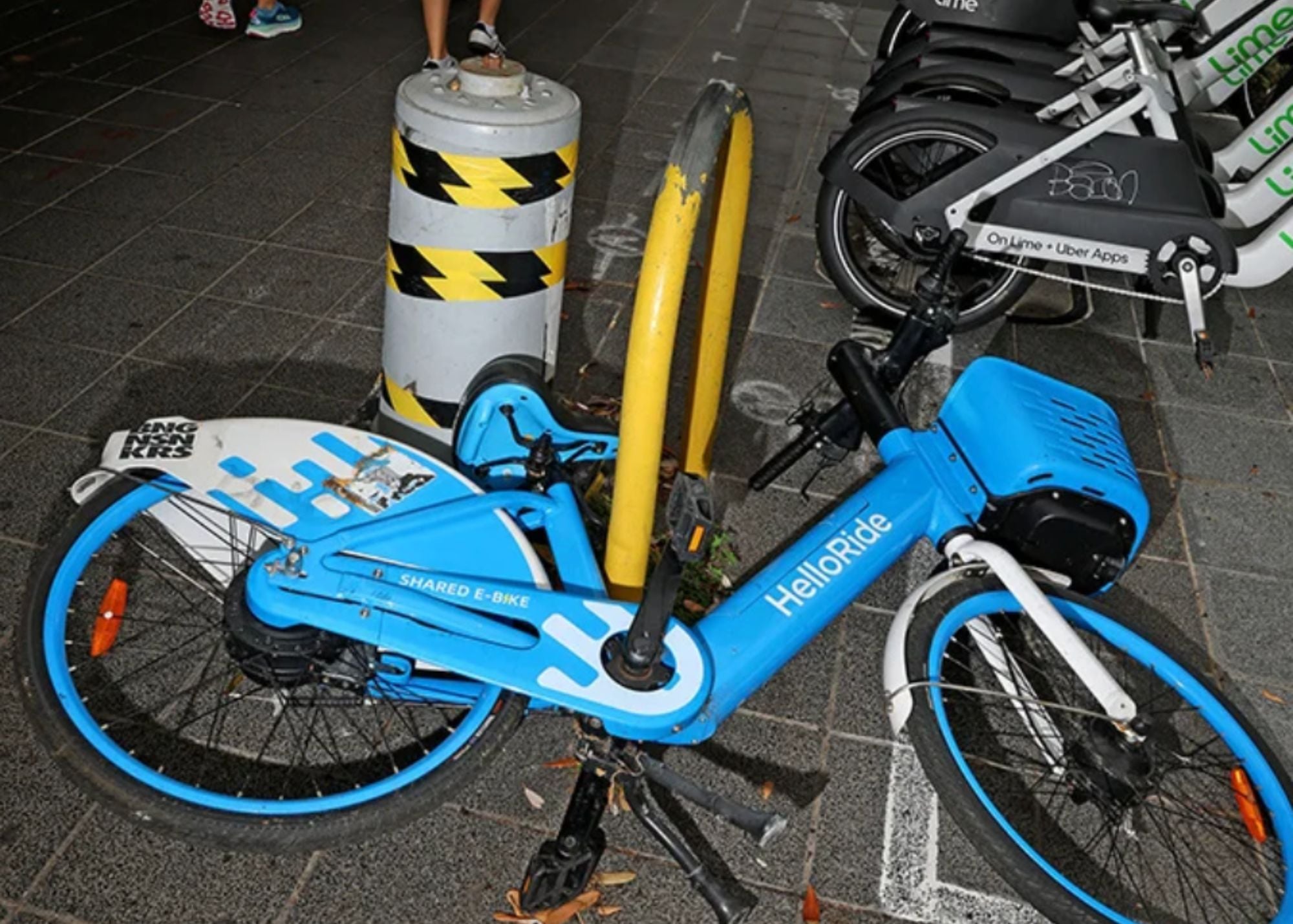
We’ve written before about Sydney’s growing colony of Lime bikes.
We’ve bitched about them. We’ve filmed them. We’ve watched them accumulate in bike lanes across the city, on footpaths along Hall Street in Bondi and, eventually, right outside my front gate.
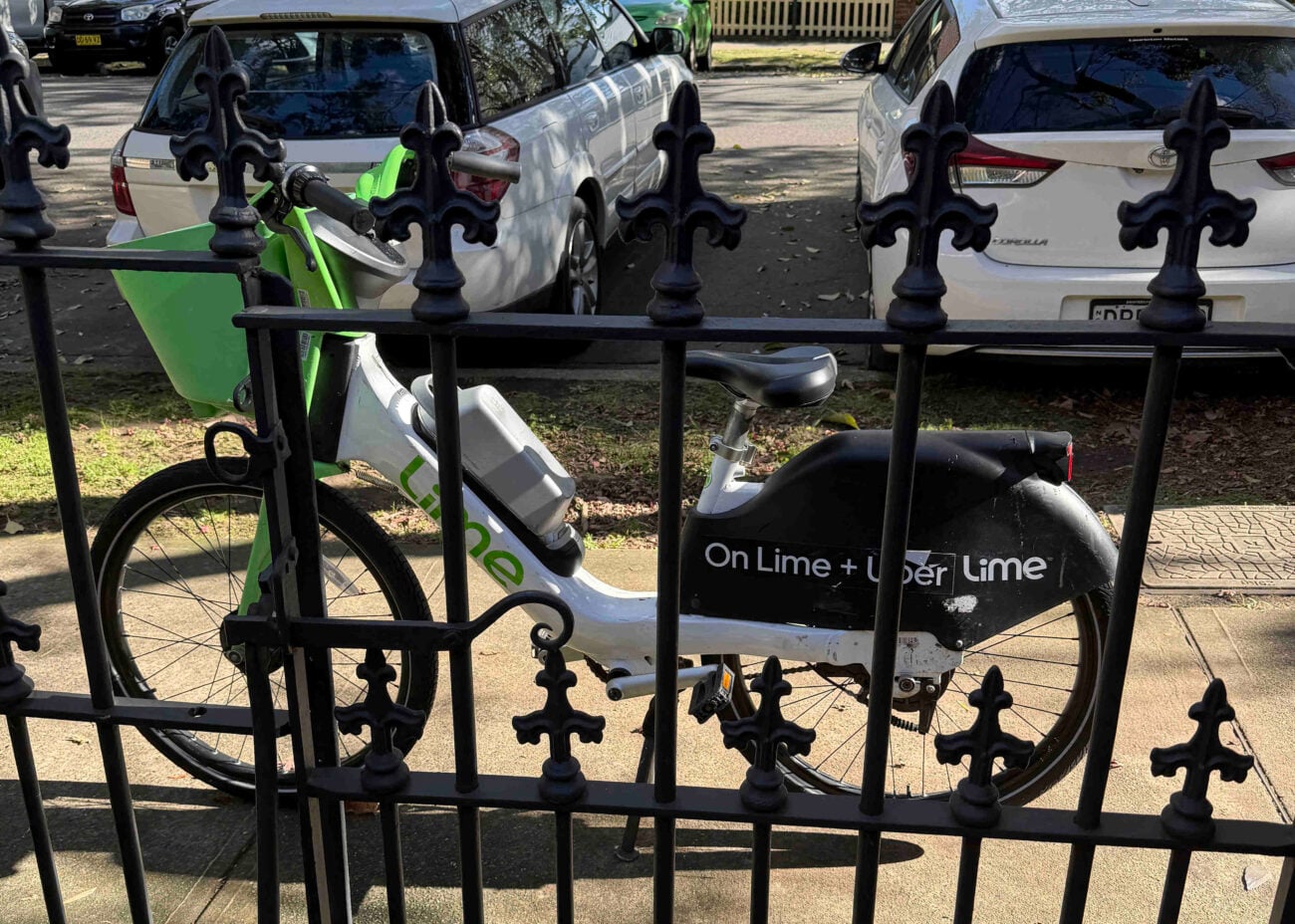
fucker
At this point, the average Lime bike appears to have become less of a mode of transport, and more just a naturally occurring feature of the Sydney landscape.
Which is why we’re starting to think everybody is asking the wrong question.
Is the real problem the bikes? Or is it that somebody looked at Sydney and decided a transport system based almost entirely on voluntary good behaviour was a fantastic idea?
The premise was simple. Give thousands of people access to bicycles. Allow them to leave those bicycles almost anywhere. Trust that everybody will do the right thing. Observe the results.
The results? Currently available for inspection outside Club Rose Bay on a Sunday morning.
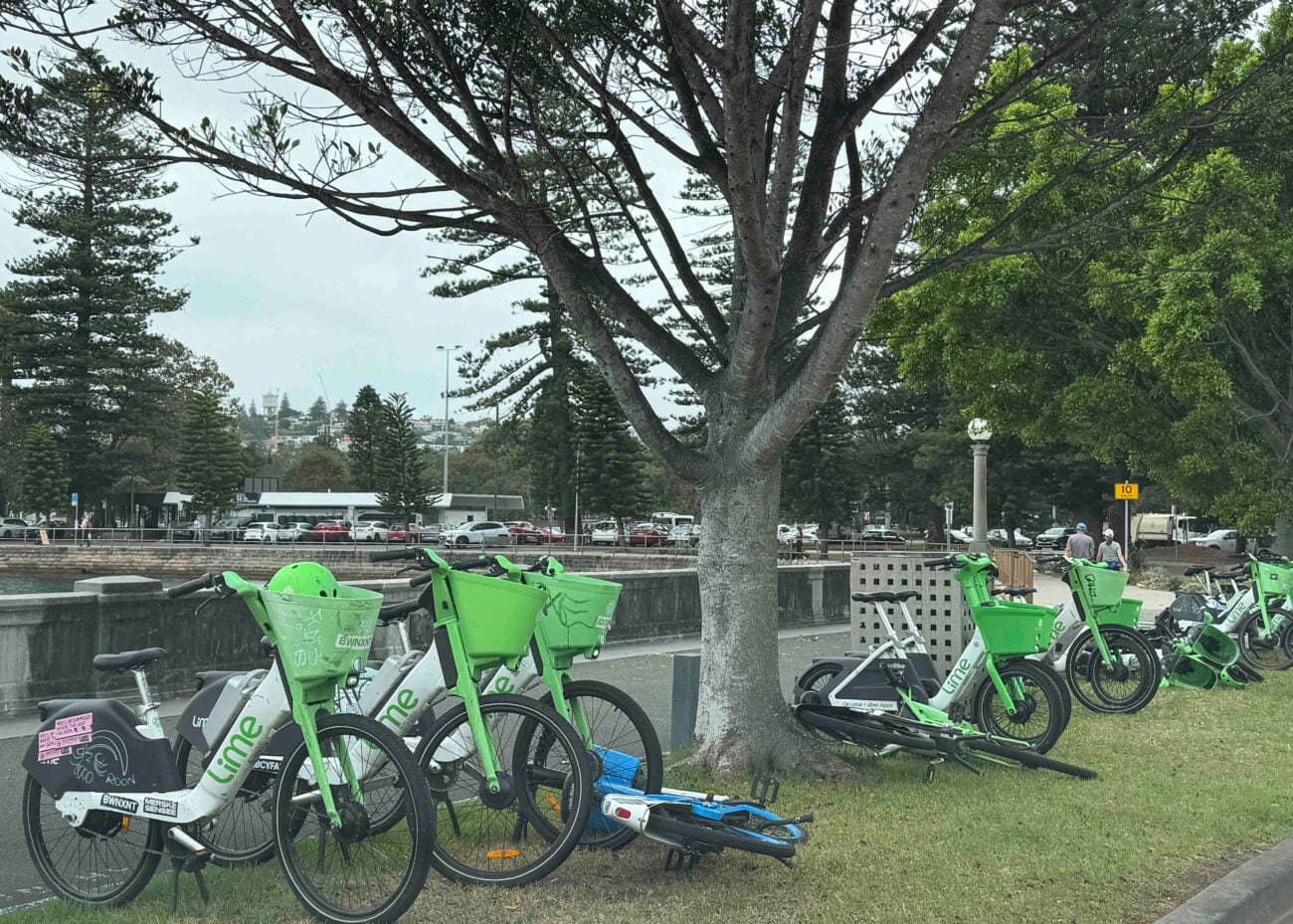
Rose Bay views 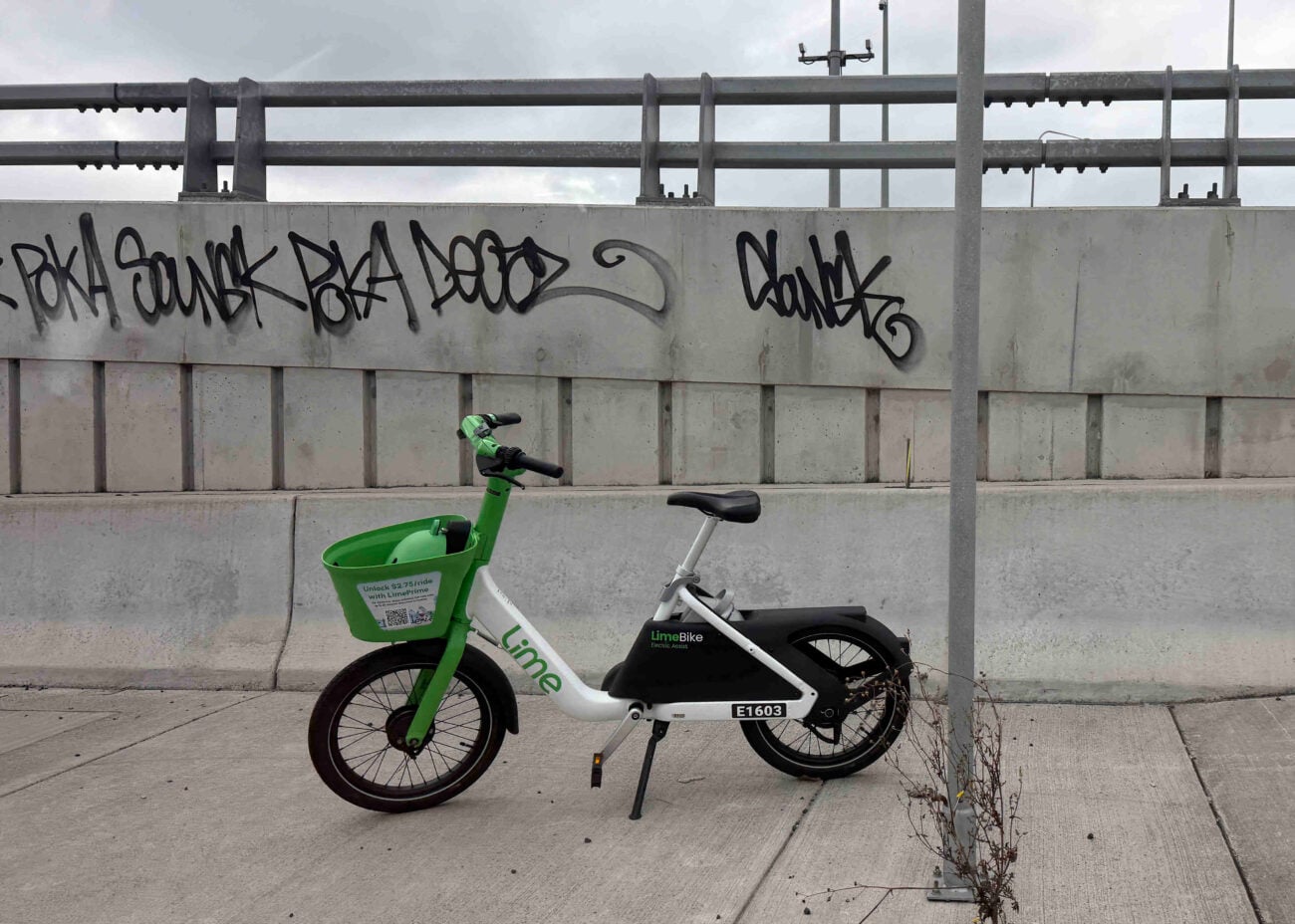
Need to cross The ANZAC bridge? Your bike is ready. 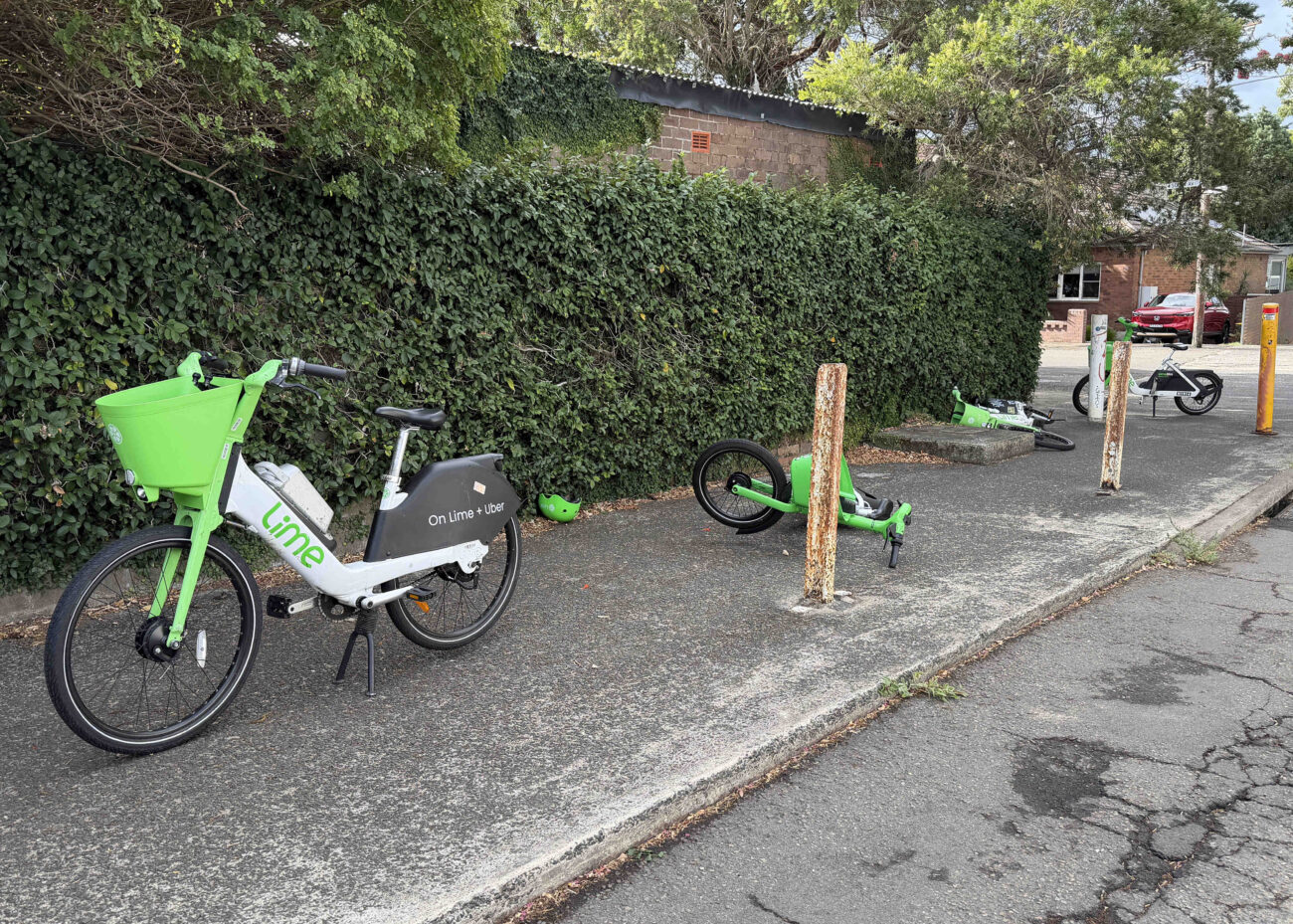
forget where this is 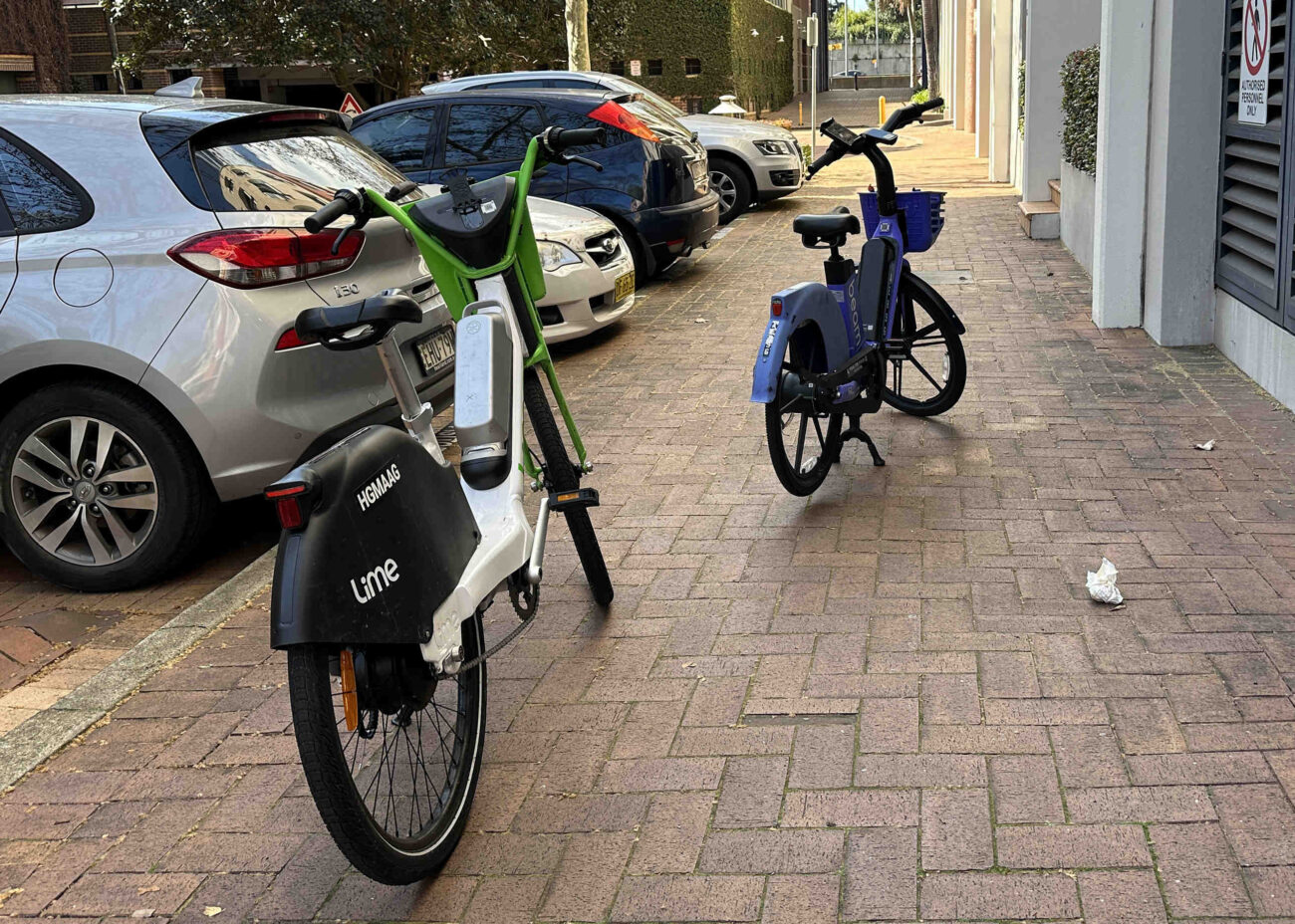
right in Clovers back yard this is 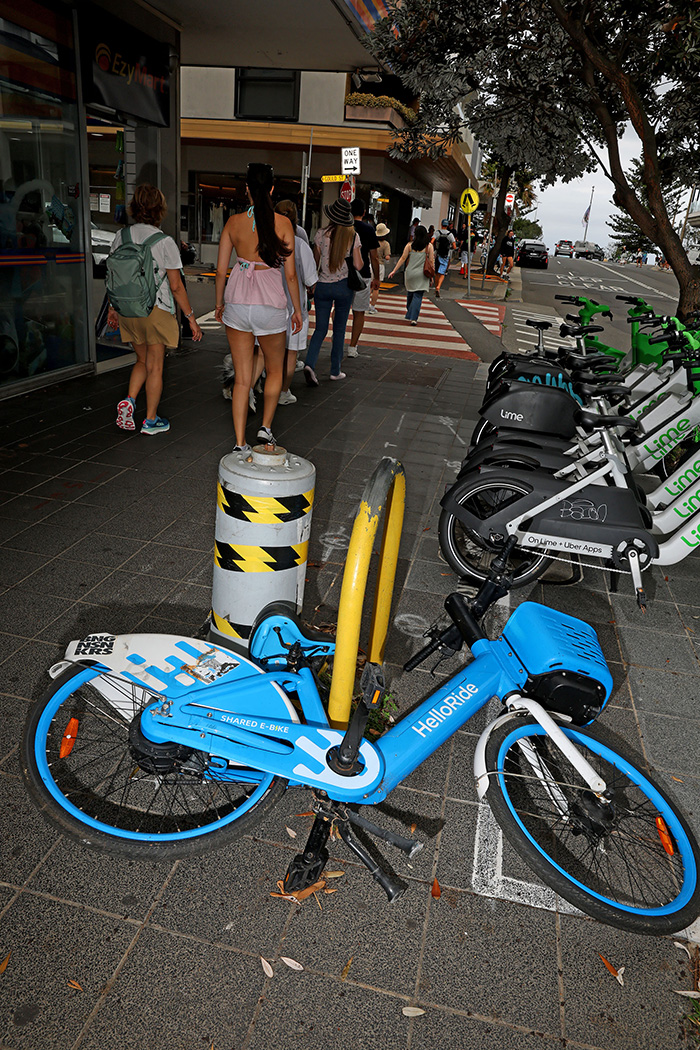
Hall Street, Bondi views 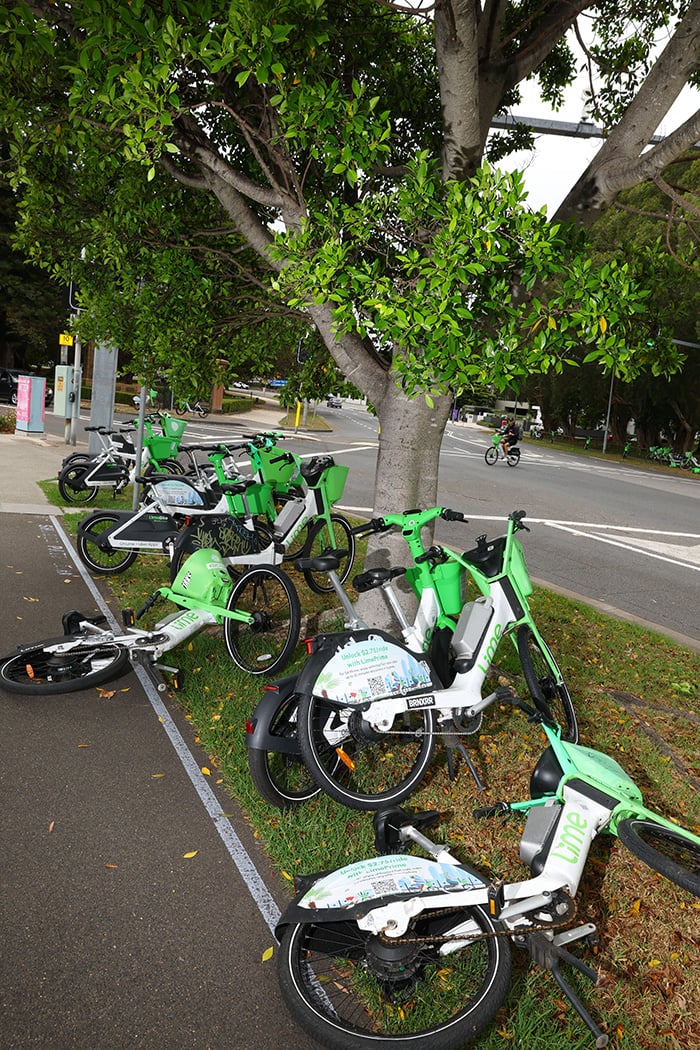
Rose Bay views 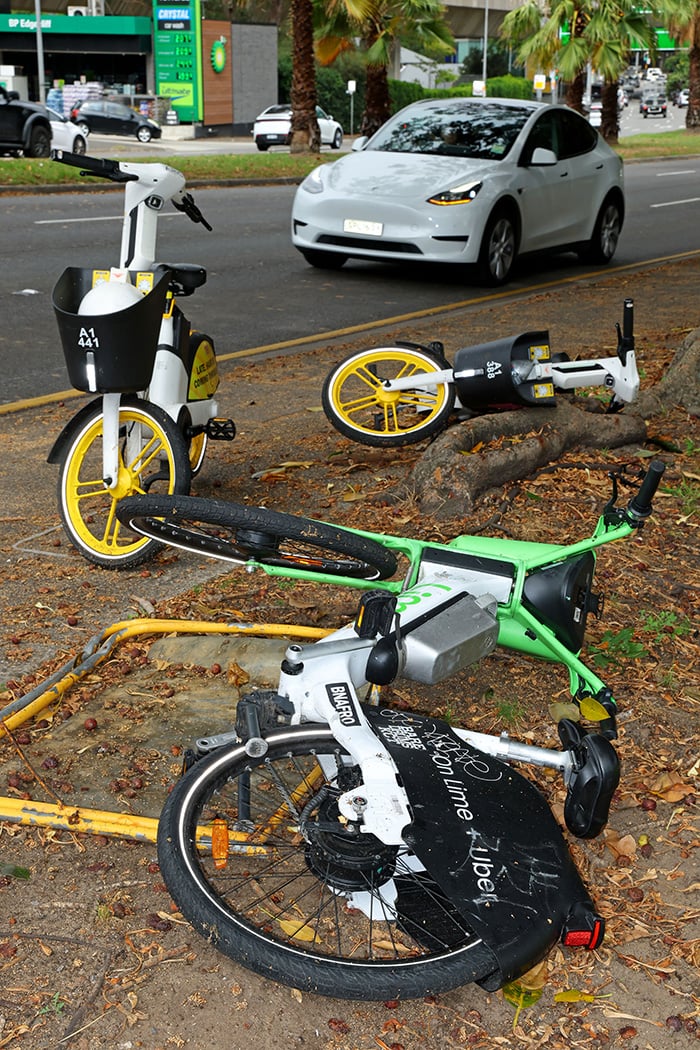
Rushcutters Bay views 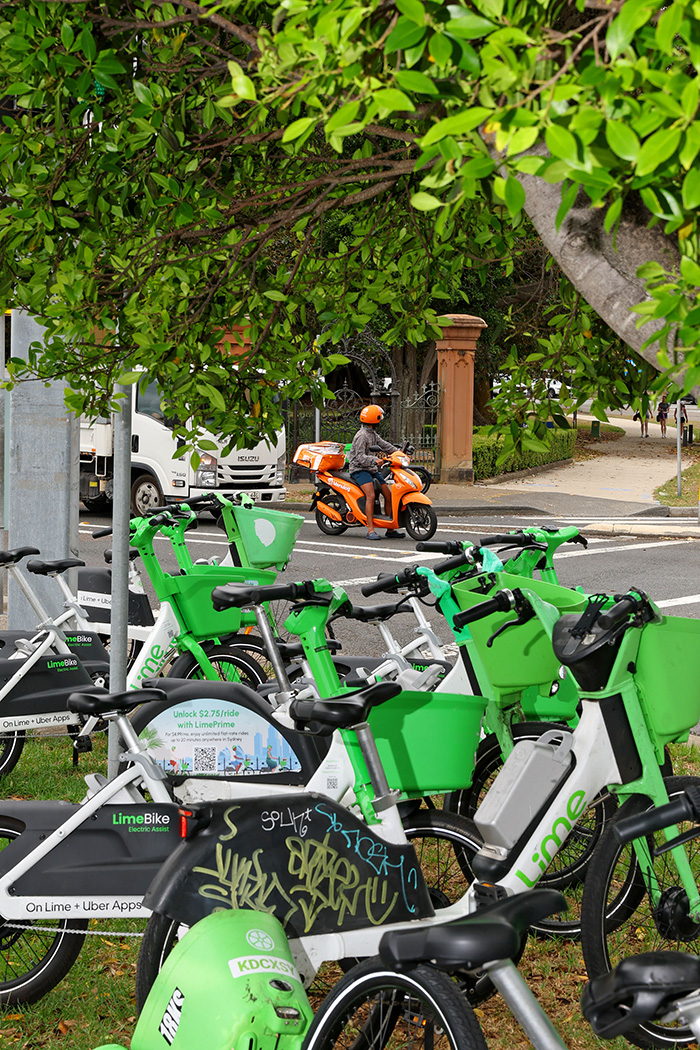
Catalina views
One of Lime’s greatest achievements has been solving bike accessibility.
Need a Lime bike? Check my street. We appear to have plenty.
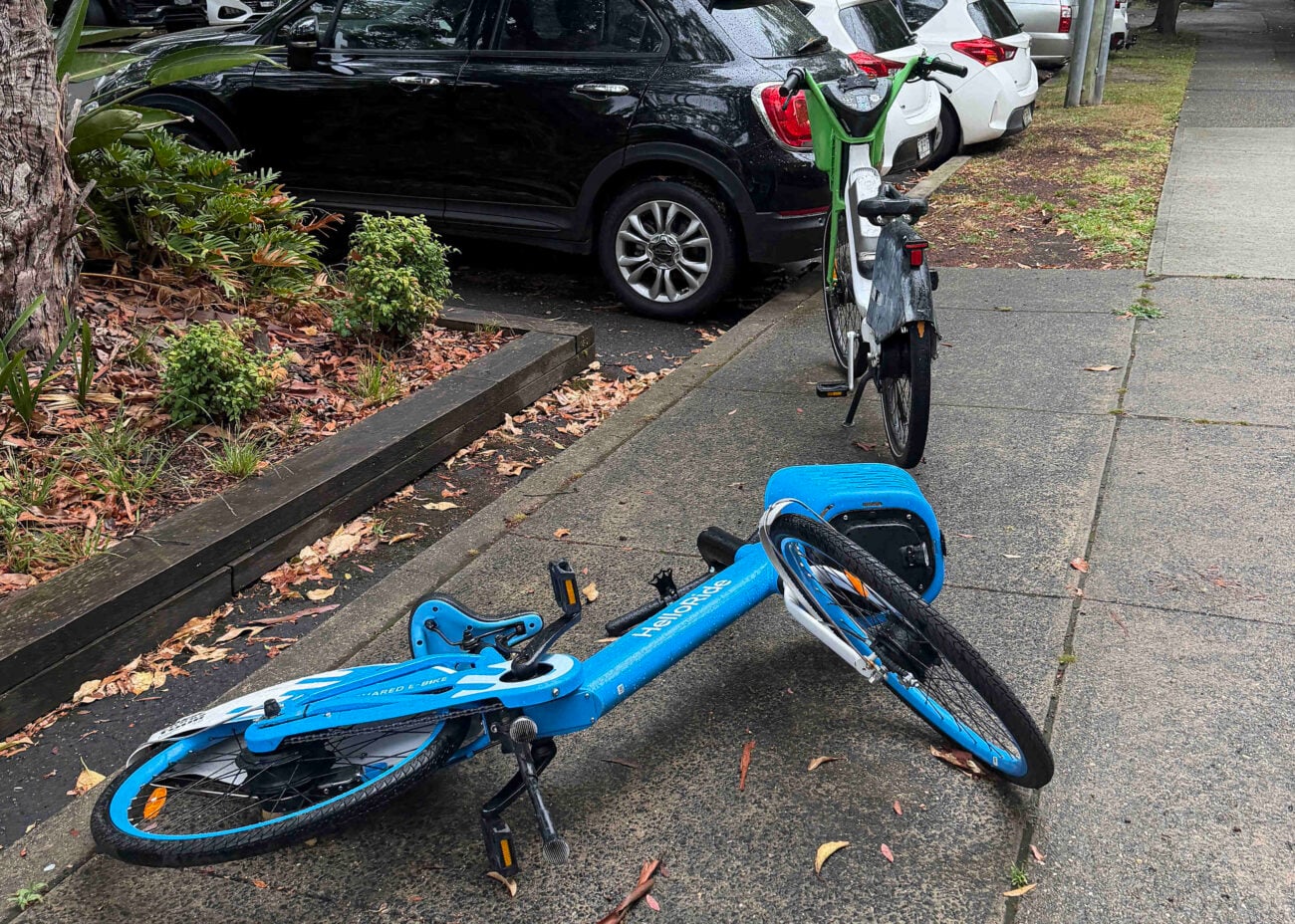
Annandale views 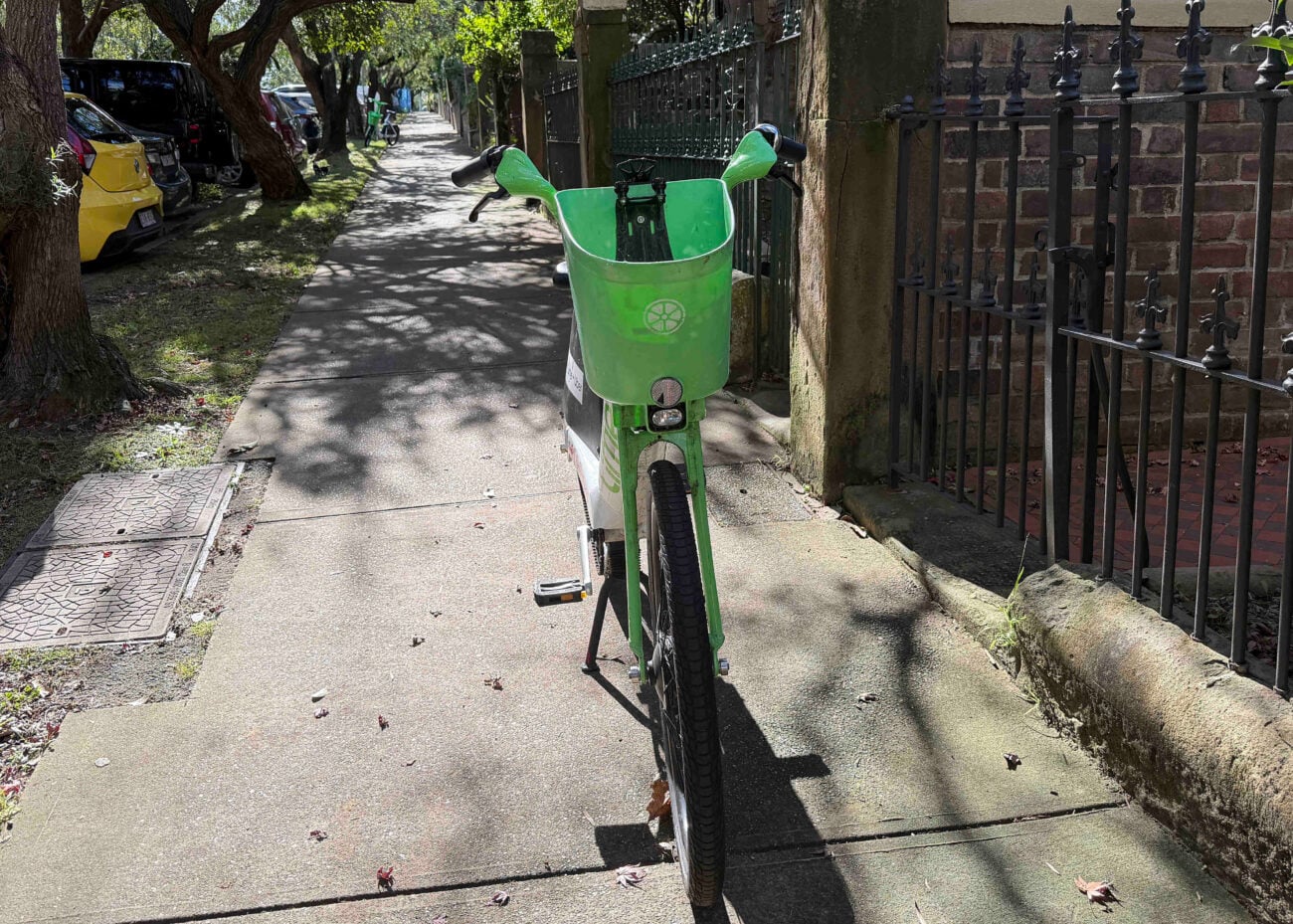
Annandale views 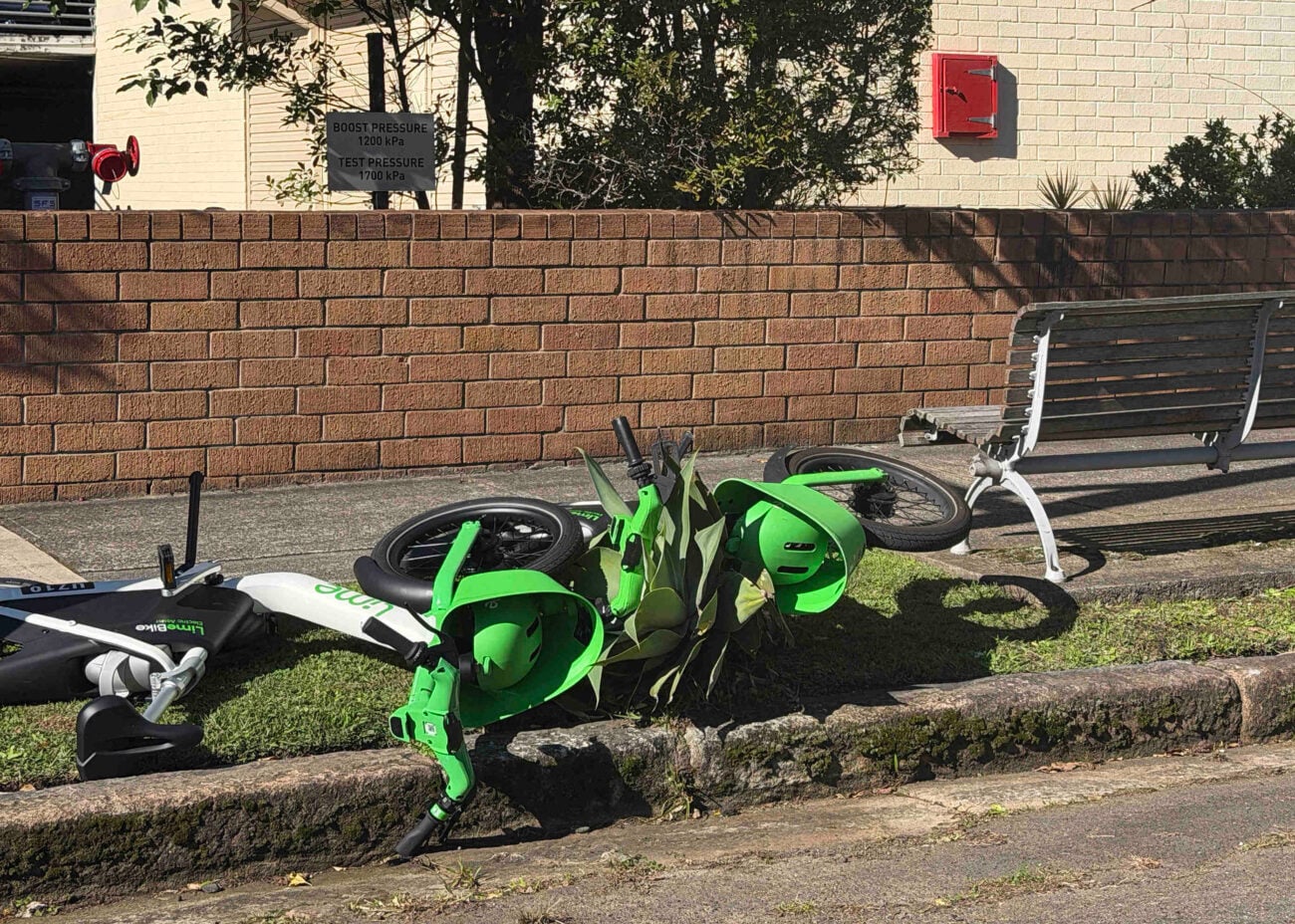
Annandale views 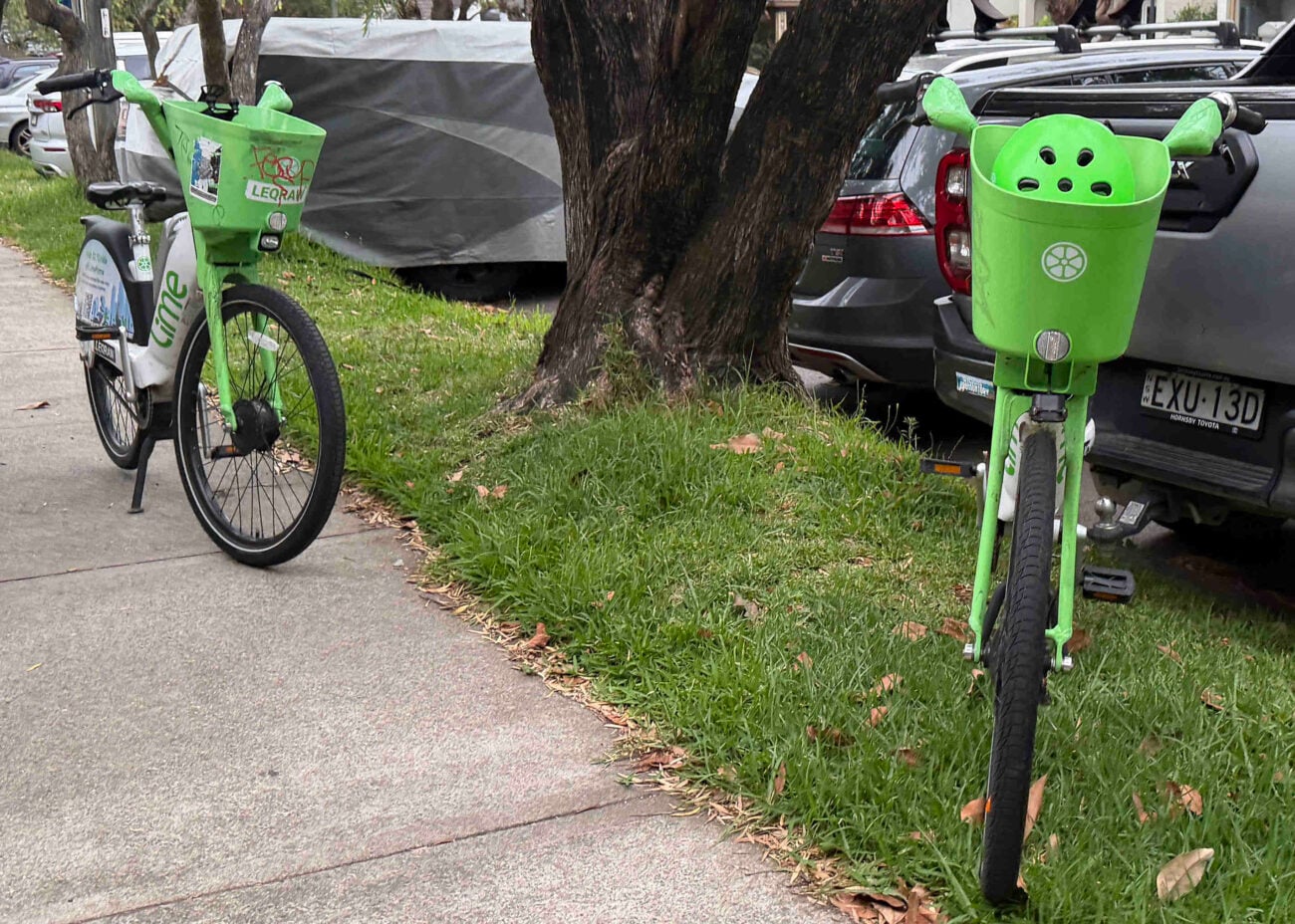
Two is better than one in Annandale 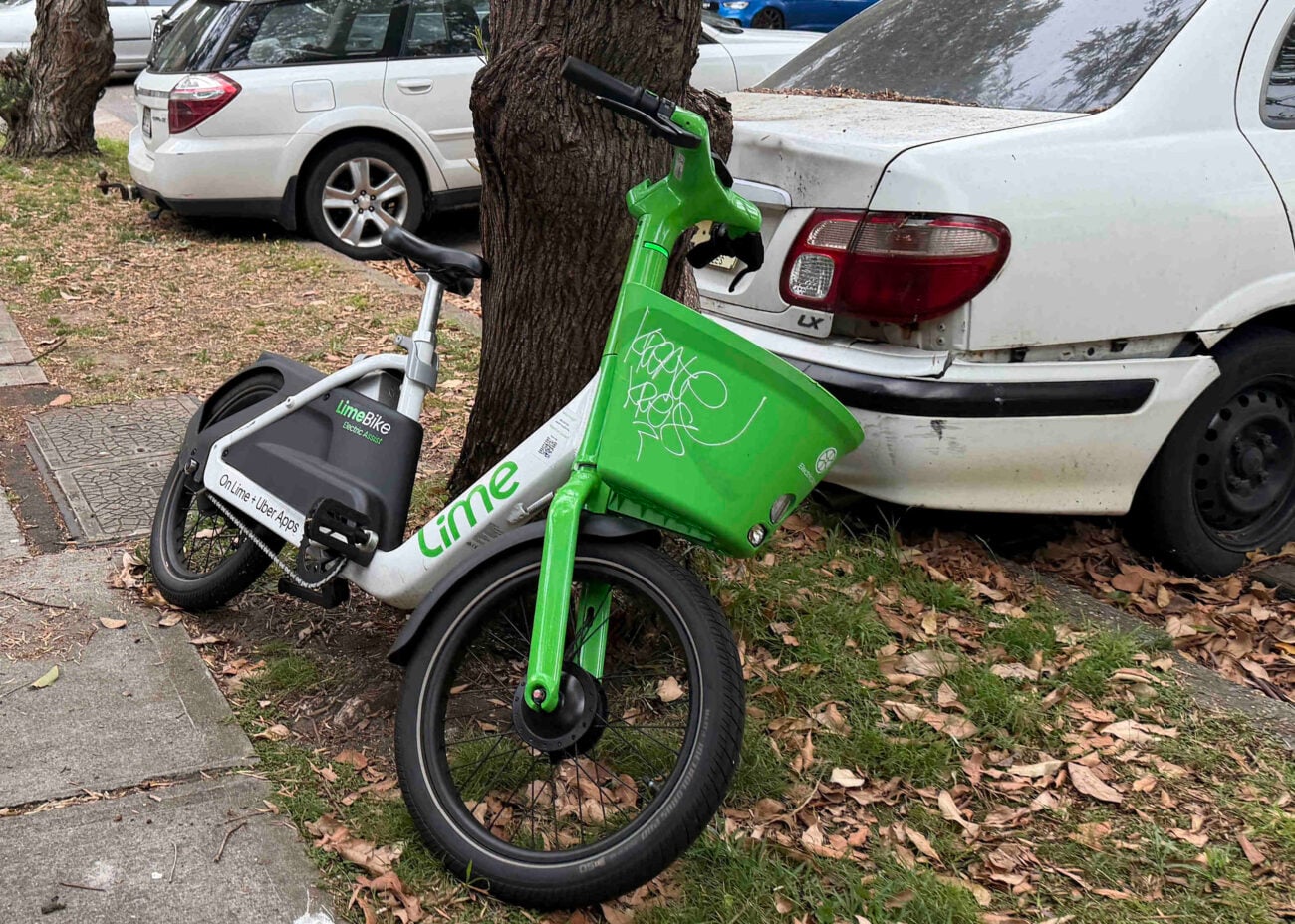
Apparently this one doesn’t have a stand 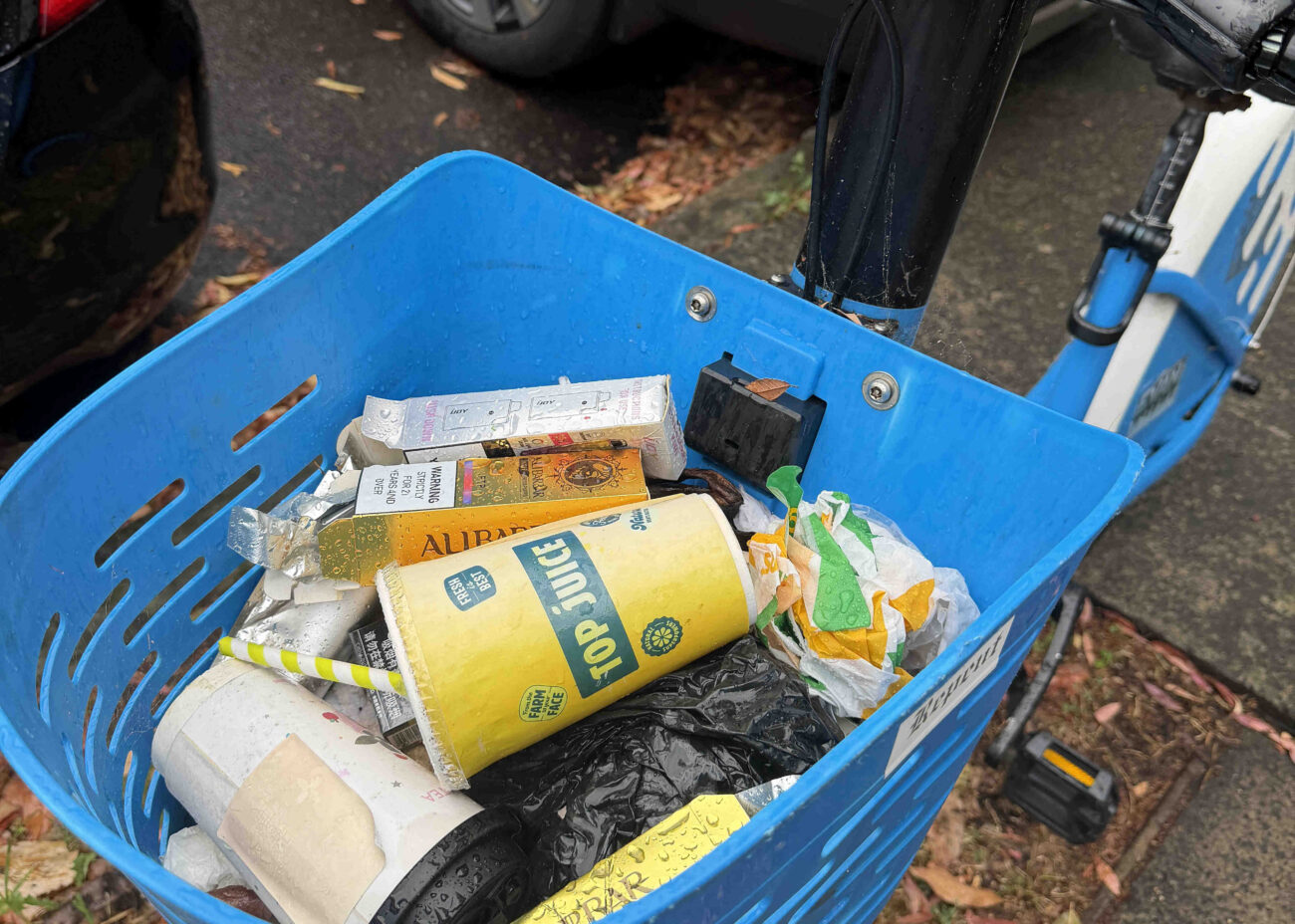
Councils had a plan when they started removing rubbish bins 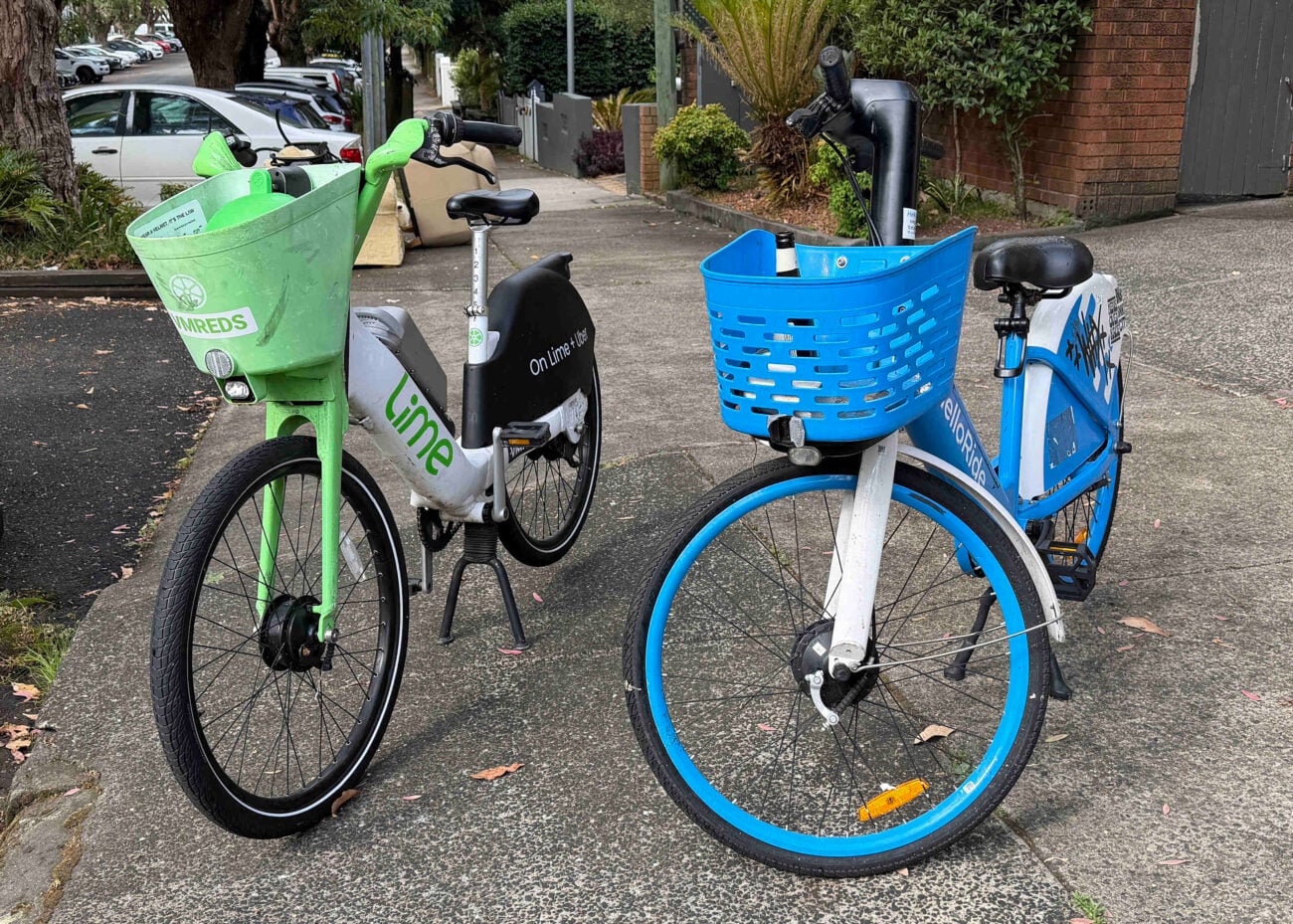
Take your pick!
To be fair, Sydney isn’t the first city to discover that human beings occasionally prioritise convenience over civic responsibility. In fact, urban planners have been studying this phenomenon for decades.
In the 1980s, criminologists introduced what became known as the Broken Windows Theory. The idea was deceptively simple. When small signs of disorder became normalised, more disorder tended to follow. One broken window becomes two. One piece of litter becomes ten. A neglected space quietly invites further neglect.
Forty years later, Sydney has found a version of the same problem with a QR code and an app.
But Broken Windows Theory only explains half of what’s happening. The more interesting question is why we designed the experiment this way in the first place?
Recently, I complained to my local council about what had become a small colony of Lime bikes occupying my street. I won’t mention which council because I’ve accidentally wandered into enough Sydney bike lane arguments for one lifetime.
The following morning they were gone. Yes, all sixteen of them vanished overnight faster than a Bondi girl when the bag runs out.
Whatever else you might say about Lime, their retrieval ninjas don’t muck around. Which suggests Lime and councils are paying attention. It only raises a more awkward question.
If sixteen bikes can disappear overnight, why are sixteen bikes ending up on the same suburban street in the first place?
The world’s most successful bike-share schemes don’t rely on everybody behaving perfectly. They rely on docks, designated parking zones, geofencing and enforcement. In other words, they assume some people won’t care and design accordingly.
Sydney appears to have taken a different approach. We imported the bikes, downloaded the app, built the bike lanes, and then we collectively crossed our fingers and hoped for the best.
One abandoned Lime bike is mildly annoying. Fifty starts to look less like a transport network and more like a planning philosophy.
None of this is an argument against cycling. Sydney desperately needs alternatives to cars. Councils have spent years removing parking spaces and installing bike lanes in the hope we’d all embrace two-wheeled transport. Fair enough. But the social contract doesn’t end when the ride does.
Good urban planning doesn’t design around the best version of humanity. It designs around the bloke who leaves his shopping trolley in the middle of the Waterloo Coles car park because “someone gets paid to collect them.” After all, many people do, in fact, fail the trolley test.
Paris didn’t solve this problem by finding better people. It solved it by building a better system. Sydney, meanwhile, appears to have adopted a transport model based on the radical proposition that everyone would suddenly become more considerate.
The bikes were never the experiment, trusting Sydney to return them properly was.
Perhaps it’s time we designed for the Sydney we have, not the Sydney we’d like to have.